



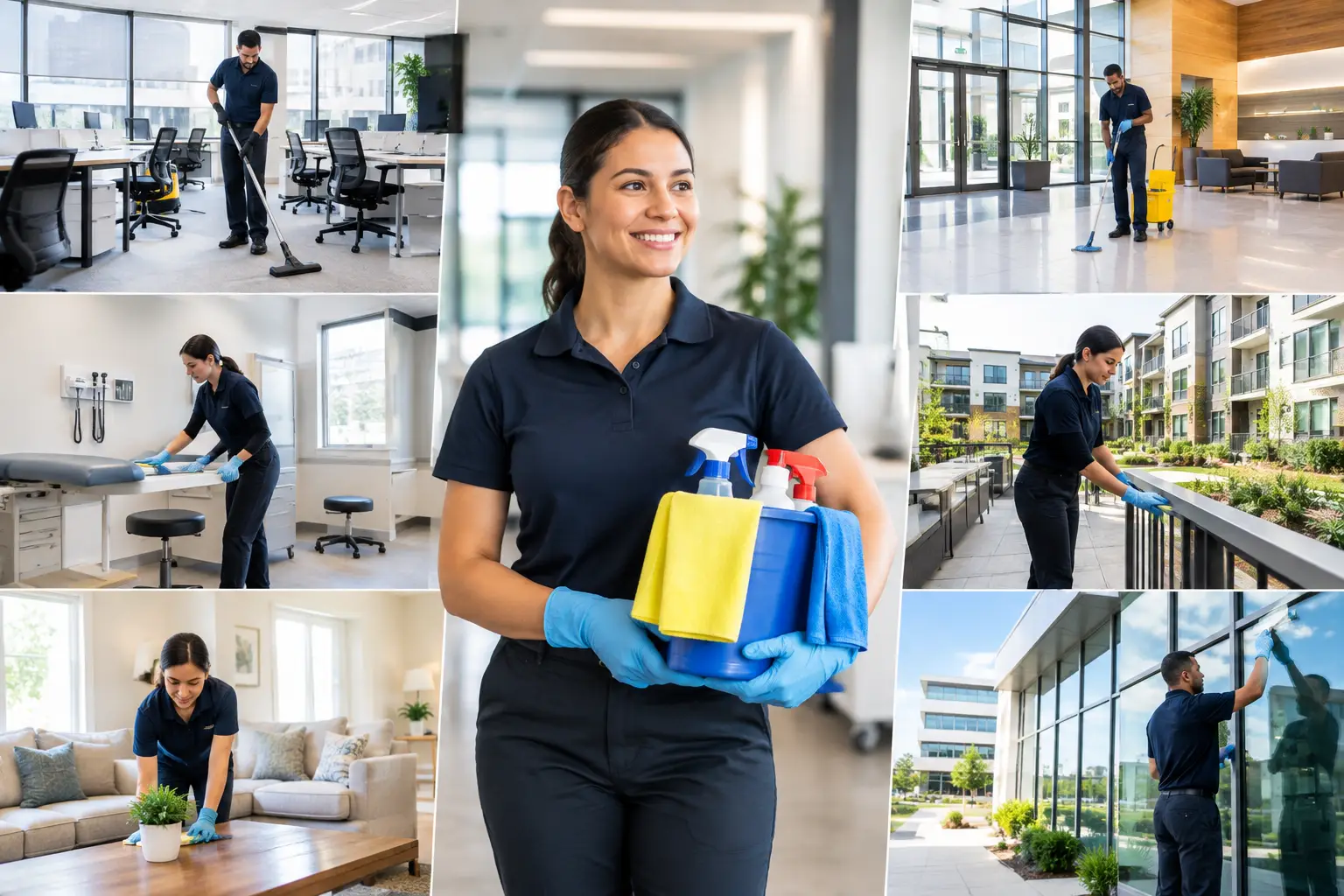
A portfolio can look well maintained on paper while daily cleaning standards vary sharply from one property to the next. A lobby at one office may be polished before the workday begins, while a similar space across town is missing basic touch-ups. That inconsistency creates more than extra work for managers. It affects tenant impressions, employee comfort, resident satisfaction, and the time it takes to resolve routine requests. Multi location cleaning gives organizations a practical way to bring different properties under one clear operating plan without treating every site as if it has identical needs.
For property managers, HOA management companies, facility teams, and businesses with multiple locations, the goal is not simply to schedule the same checklist everywhere. The goal is to create dependable standards, clear points of communication, and a service cadence that fits how each location is actually used.
Why Multi Location Cleaning Requires a Different Plan
Cleaning one building allows a manager to make quick adjustments on the spot. A multi-site operation introduces more variables: different square footage, traffic patterns, operating hours, access procedures, floor types, waste needs, and shared spaces. A medical-adjacent office corridor, a corporate suite, an apartment clubhouse, and a neighborhood retail office may all need recurring cleaning, but their priorities will not be the same.
A copied-and-pasted scope can lead to missed expectations. For example, one office may need daily attention in restrooms and break rooms, while another only needs service several times a week but requires more detailed floor care. An HOA community may have a small clubhouse that needs regular upkeep, alongside high-visibility entry areas that need frequent inspection after events or busy weekends.
The strongest approach combines consistency with site-level flexibility. Consistency means every location has clear standards for presentation, communication, and issue reporting. Flexibility means the scope reflects the condition and use of that specific space.
Start With a Portfolio-Level Standard
Before determining individual schedules, establish what “clean” means across the portfolio. This is the shared baseline that makes management easier. It should cover visible priorities such as entryways, restrooms, trash areas, common surfaces, floors, and break rooms, along with expectations for reporting concerns like supply shortages, damage noticed during service, or unusually heavy buildup.
A portfolio-level standard is useful because it prevents location managers from having to reinvent expectations every time staff changes or a new site is added. It also helps distinguish recurring tasks from periodic work. Daily or recurring janitorial service might cover restrooms, waste removal, vacuuming, mopping, and touch-point cleaning. Periodic work may include detailed floor cleaning, carpet cleaning, pressure washing, or post-construction cleanup after a project.
The standard should be clear enough to guide service but not so rigid that it ignores reality. A high-traffic office may need more frequent attention than a small administrative space. A community room that hosts meetings and private events can require cleaning tied to its reservation schedule rather than a fixed weekly routine.
Define the Spaces That Matter Most
Every site has areas that shape the overall impression of the property. For offices, those are often reception areas, conference rooms, restrooms, and kitchens. In multifamily or HOA communities, they may include lobbies, elevators, clubhouses, fitness areas, hallways, and shared restrooms.
These spaces deserve specific attention in the scope because they are highly visible and heavily used. When they are consistently maintained, the entire property feels more organized. When they are neglected, even a generally clean building can appear poorly managed.
Build Site Profiles Before Setting the Schedule
A site profile turns a general cleaning agreement into an actionable plan. It records the operational details that affect service quality: address, access instructions, service windows, key contacts, square footage, occupancy patterns, sensitive areas, waste locations, floor surfaces, and any recurring concerns.
For multi-location clients, site profiles also reduce confusion when properties change hands internally or when a facility manager is away. The cleaning plan should not depend entirely on one person remembering every exception. Written site information gives everyone a more reliable reference point.
A good profile also identifies the difference between regular work and request-based work. If a manager needs a move-out cleaning, an apartment turnover, detailed common-area service, or cleanup after construction, that request can be evaluated separately rather than disrupting the routine scope at every location.
Match Frequency to Traffic, Not Assumptions
Frequency is one of the most important decisions in multi location cleaning. Too little service can allow restrooms, floors, and shared spaces to decline between visits. Too much service can add work that does not provide meaningful value for a lightly used location.
Traffic is usually a better guide than square footage alone. A compact office with a busy team and frequent visitors can need more frequent attention than a much larger space with limited daily occupancy. The same applies to HOA common areas. A small clubhouse used for regular resident activities may need closer attention than a larger room used only occasionally.
Reviewing schedules after the first several weeks is often helpful. Managers may notice that a certain location needs an added visit, while another performs well with a different cadence. A responsive cleaning relationship should allow for these practical adjustments as needs become clearer.
Keep Communication Simple and Accountable
When multiple locations are involved, communication can either protect the relationship or become the source of most frustrations. Property teams need to know who to contact, how to request a change, and what information will be provided after a concern is raised. Cleaning teams need timely notice about building access, special events, construction activity, and changes to operating hours.
A single point of contact can simplify routine coordination, but individual site contacts still matter. The portfolio contact may approve overall scope changes, while an on-site manager can flag a spill, an event setup, or a temporary access issue. Both roles should be understood from the beginning.
Clear communication is especially valuable when a request falls outside the recurring scope. Instead of assuming a task is included, describe the location, timing, condition, and desired outcome. That makes it easier to assess the work and schedule it appropriately.
Use Quality Checks to Catch Drift Early
Even a well-designed program can drift over time. A location’s foot traffic may increase, a new tenant may move in, or common areas may begin hosting more events. Regular walkthroughs and manager feedback help identify these changes before they become persistent complaints.
Quality checks do not need to be complicated. Focus on the visible areas that matter most: restroom condition, floors, touchpoints, trash removal, entry presentation, and break-room cleanliness. Compare what is happening at each site against the agreed standard, then identify whether the issue is related to frequency, scope, access, timing, or an isolated event.
This approach is more productive than treating every concern as a performance failure. Sometimes the solution is simply a revised schedule or a clearer instruction for a changing property condition.
Consider Where Standardization Has Limits
Centralizing cleaning across multiple properties can simplify invoicing, planning, and oversight. It can also create a more consistent experience for tenants, residents, employees, and visitors. Still, centralization is not always the right answer for every task.
A portfolio with properties far apart may need service routes and visit windows that account for travel time and local access restrictions. A specialized floor surface or a post-construction project may call for a separate scope from the routine janitorial plan. Seasonal needs can also change priorities, particularly for outdoor common areas and pressure washing.
The practical question is not whether every location should receive identical service. It is whether every location receives the right level of attention while the management team retains clear visibility over the full portfolio.
What to Discuss With a Cleaning Provider
Before starting or expanding a multi-site relationship, share the details that affect day-to-day service. This includes each property’s use, primary concerns, desired service times, access procedures, cleaning frequency, and the process for handling extra requests. It is also useful to discuss how the provider will communicate with both portfolio-level and on-site contacts.
Call The Helper LLC works with commercial, HOA, property management, office, and facility clients in San Diego County and evaluates multi-location opportunities throughout California based on location, scope, staffing availability, and contract requirements. A customized plan can combine recurring cleaning with services such as common-area cleaning, floor care, carpet cleaning, pressure washing, or turnover support when those needs apply.
A well-run multi-location program should make a manager’s job easier, not create another stream of follow-up. Start with the properties that need the most immediate consistency, document what each site requires, and build from there as the portfolio changes.


Comments are closed