



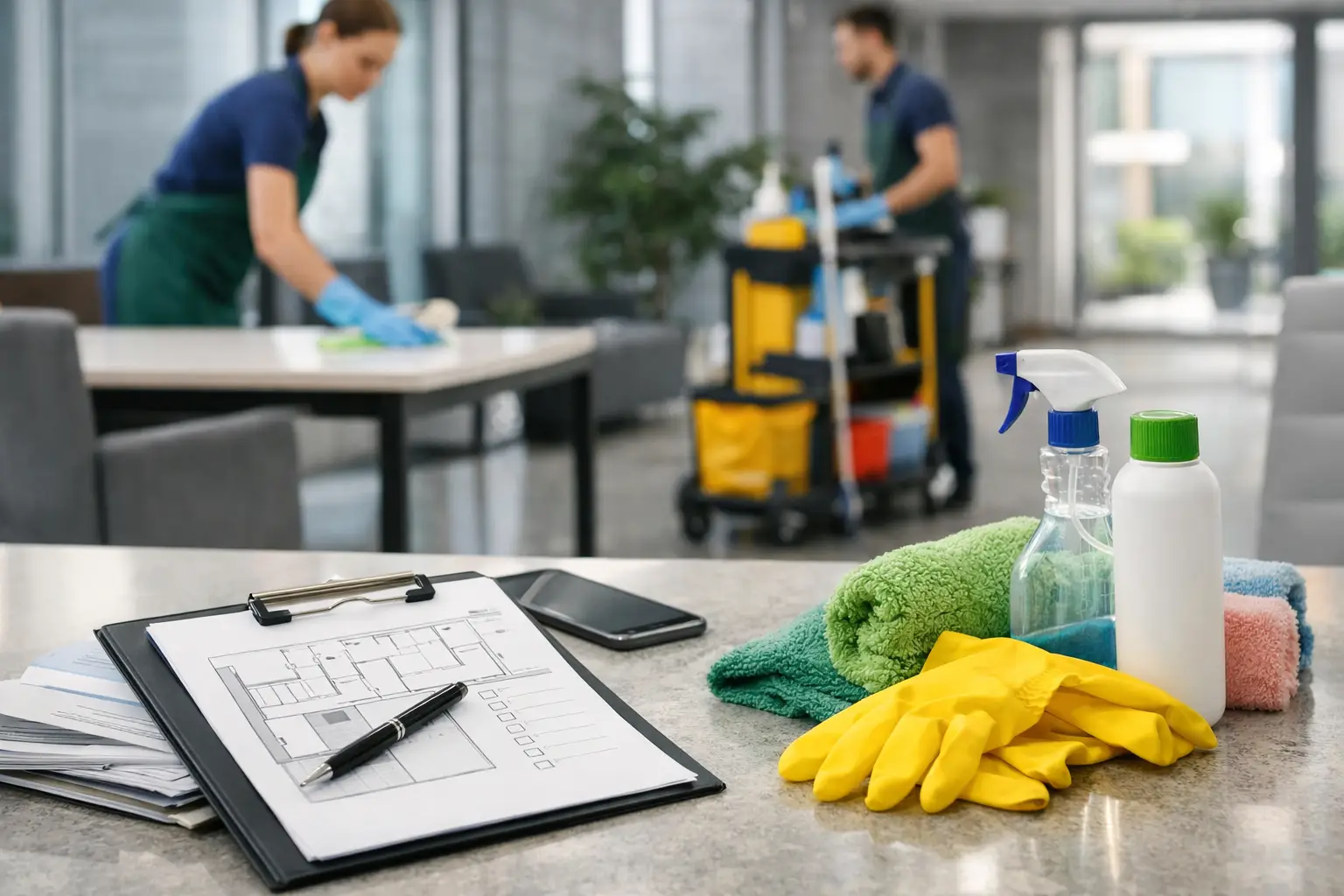
A missed lobby detail, overflowing trash enclosure, or neglected clubhouse restroom can quickly become a resident complaint. A practical property management cleaning planning guide helps you prevent those issues by turning cleaning from a reactive task into a visible, repeatable part of property operations.
For apartment communities, HOA-managed properties, office buildings, and mixed-use facilities, the goal is not simply to make spaces look clean after a visit. It is to maintain a standard that residents, tenants, guests, boards, and ownership teams can count on. That requires a clear scope, a schedule built around actual use, and a communication process that does not leave details to chance.
Start Your Property Management Cleaning Plan With a Walkthrough
Every effective plan starts on site. A written scope built from a generic checklist may miss the details that shape how a property feels day to day. Walk the property with the people who know it best, including the property manager, maintenance contact, or onsite team.
Look beyond the obvious areas. Identify entry doors and glass, elevator interiors, stairwells, mailrooms, corridors, restrooms, leasing offices, fitness rooms, clubhouses, community kitchens, trash areas, and exterior gathering spaces. Note the condition of flooring, the number of fixtures, high-touch surfaces, access restrictions, and where supplies or equipment can be stored.
Use the walkthrough to identify pressure points. For example, a clubhouse may need extra attention after evening reservations, while a busy apartment mailroom may need frequent spot cleaning during package-heavy weeks. An office lobby with glass doors can look neglected quickly, even when the rest of the building is in good condition.
The best plan reflects how the building is actually used, not how it appears on a site map.
Define What “Clean” Looks Like in Each Area
Vague instructions create inconsistent results. Instead of requesting that a common area be “cleaned regularly,” define the expected outcome. Floors may need to be vacuumed or mopped, fingerprints removed from entry glass, waste receptacles emptied, restrooms refreshed, and visible debris addressed throughout the visit.
Different spaces need different standards. A leasing office needs a professional, welcoming appearance during business hours. A fitness room requires close attention to touchpoints and floor debris. A trash enclosure may need scheduled cleaning plus additional service after move-out periods or holiday weekends.
Be specific about surfaces and exclusions as well. If floor care, carpet cleaning, pressure washing, or post-construction cleanup is needed periodically rather than during standard service, include a process for requesting and scheduling it. That keeps recurring work focused while making it easier to respond when the property needs more detailed attention.
Build a Schedule Around Traffic, Not Assumptions
Cleaning frequency should follow foot traffic, occupancy, events, and the property’s visual expectations. A low-traffic office suite might work well with several evening visits each week. A multifamily community with active amenities may need common-area service more often, particularly around weekends.
Daily, weekly, and periodic work should be separated so each task has a clear place in the plan. Daily or frequent tasks generally cover visible needs: restroom upkeep, waste removal, entryway appearance, touchpoint cleaning, and spot treatment for floors and glass. Weekly work can include more detailed dusting, baseboard attention, fixture cleaning, and fuller treatment of shared rooms.
Periodic service handles the jobs that do not need to happen every visit but should not be forgotten. This may include detailed floor care, carpet cleaning, pressure washing, interior window cleaning, or a deeper reset after construction, a major event, or seasonal demand.
There is a trade-off between frequency and efficiency. More visits can protect appearance in high-use areas, but a larger property may be better served by assigning more time to a carefully planned visit rather than scheduling short visits that leave detailed work unfinished. Review the schedule after the first few weeks and adjust it using real conditions, not guesswork.
Plan for Move-Ins, Move-Outs, and Events
Property managers rarely operate on a perfectly predictable calendar. Apartment turnover dates, board meetings, resident gatherings, vendor visits, inspections, and maintenance projects can all change cleaning priorities.
Create a simple request process for these needs. Decide who can request added service, how much notice is preferred, what information the cleaning team needs, and who approves the work. A request for a community room reset, for instance, should include the event end time, room access instructions, condition expectations, and whether trash, floors, restrooms, or kitchen areas need special attention.
For vacant units, establish a clear handoff between maintenance, property management, and cleaning. Cleaning before repairs are complete can create unnecessary repeat work. Cleaning too late can delay the unit’s readiness. A basic sequence that identifies when maintenance is finished and when the unit is ready for final cleaning helps keep turns moving.
Assign Ownership for Access, Supplies, and Communication
A cleaning plan can be well written and still fail if the team cannot enter the building, find the janitorial closet, or get answers when a problem appears. Establish one primary property contact and one backup contact. Provide current access instructions, alarm procedures where applicable, parking information, service hours, and protocols for restricted areas.
Decide who provides consumables such as paper products, liners, soap, and other restroom supplies. If property staff handle inventory, set a reorder point before supplies run out. If cleaning service includes supply monitoring, clarify what should be reported and how approvals work. This small operational detail prevents some of the most visible avoidable problems.
Communication should also cover unusual conditions. Water leaks, pest activity, damage, graffiti, abandoned items, and overflowing bins may be noticed during cleaning, but they often require property staff or maintenance follow-up. Define how these issues are reported, who receives the report, and when an urgent call is appropriate.
Use Inspections to Protect Standards, Not Create More Paperwork
Inspections are most helpful when they focus on resident and tenant experience. Walk high-visibility areas at different times of day. Early morning may reveal entryway debris, while an afternoon inspection may show whether restrooms, elevators, or common spaces are keeping up with traffic.
A short inspection checklist can cover entry appearance, floors, restrooms, waste areas, amenity rooms, odors, touchpoints, and visible dust or debris. Photos can be useful for documenting a recurring condition or clarifying a needed correction, especially when several teams support the property.
Avoid treating every inspection result as a failure. A missed detail may point to an unclear scope, insufficient service time, a changed traffic pattern, or a maintenance issue rather than poor execution alone. The practical question is: what adjustment will prevent the same issue from returning?
Review the Plan After Operational Changes
Cleaning needs change when occupancy rises, a new amenity opens, a construction project ends, or management begins hosting more events. Even a new flooring type can change the equipment and care routine required for a polished result.
Review the cleaning plan when those changes occur and at regular intervals. Confirm that the scope still matches the property, the visit timing works, access instructions remain current, and special requests are being handled through the right channels. This protects consistency without locking the property into a plan that no longer fits.
Keep the Plan Clear Enough to Use Every Day
The strongest property management cleaning planning guide is not the longest document. It is the one that property staff and cleaning professionals can use during a busy week. It should identify the areas to be serviced, task frequencies, visit windows, contacts, access details, supply responsibilities, inspection expectations, and the process for additional work.
For managers overseeing multiple properties, standardizing this structure can make oversight easier while still allowing each location to have its own service priorities. A downtown office, a coastal HOA clubhouse, and a multifamily community may use the same planning framework, but their schedules and scopes should not be identical.
Call The Helper LLC can help San Diego County property managers build customized cleaning plans around their common areas, facilities, turnover needs, and operational schedules. When responsibilities are clear and service is planned around the property’s real activity, clean spaces become one less item competing for your attention.


Comments are closed