



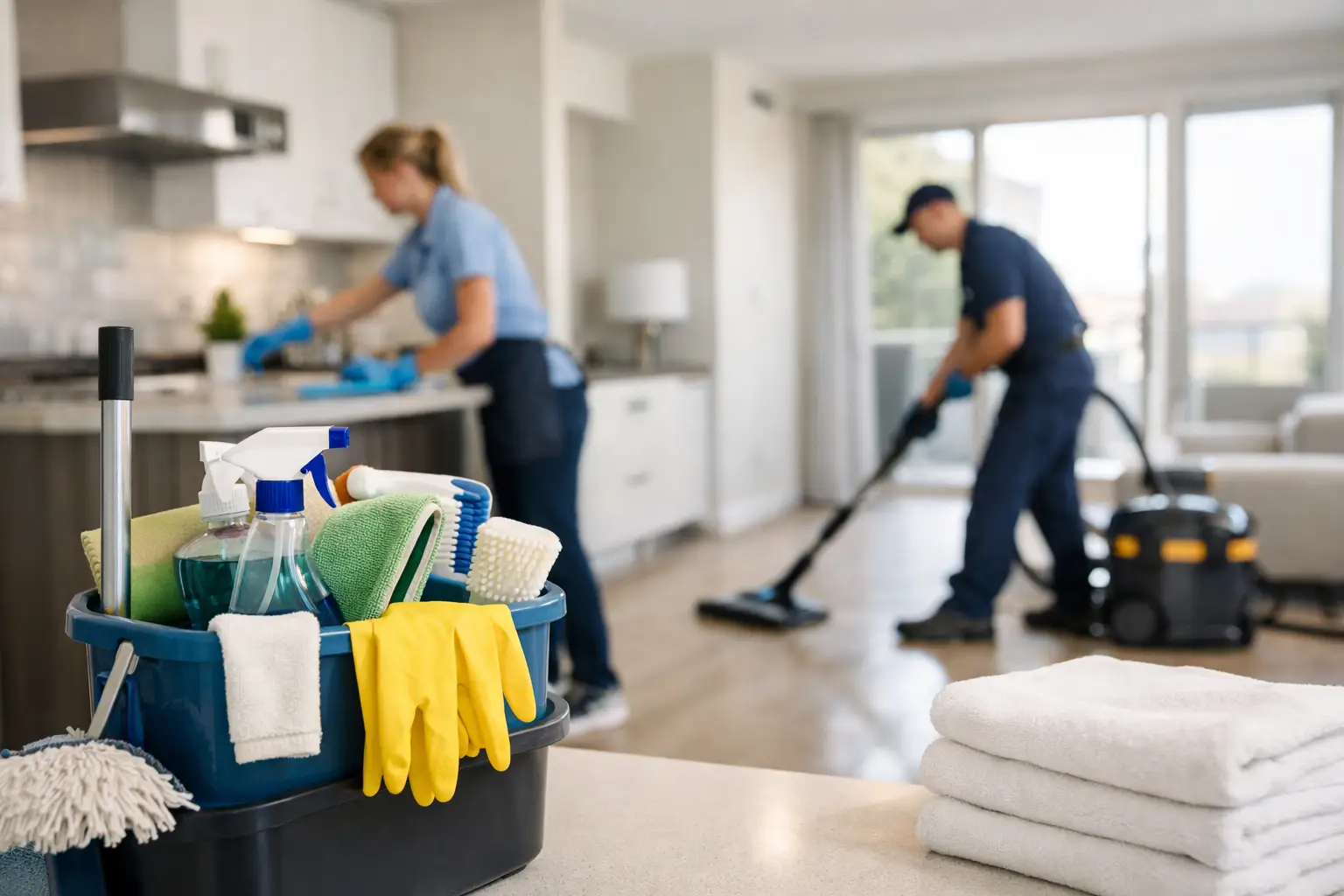
A new set of keys should not come with someone else’s dust, grease, or forgotten buildup. Whether you are preparing an apartment for a new resident, turning over a managed property, or moving into a home yourself, understanding what does move-in cleaning include helps you set the right expectations before move day.
Move-in cleaning is a detailed, property-ready service focused on the places new occupants will notice first: the kitchen, bathrooms, floors, high-touch surfaces, and the edges that routine cleaning can miss. The goal is not simply to make a space look better in photos. It is to make the home, unit, or shared space feel clean, cared for, and ready to use.
What Does Move-In Cleaning Include?
The exact scope should always reflect the property’s condition, size, occupancy timeline, and any special requests. A vacant home that was recently maintained may need a thorough refresh. An apartment after a long tenancy may need more attention to cabinet interiors, fixtures, baseboards, and accumulated grime.
In most cases, a professional move-in cleaning covers detailed dusting, wiping, vacuuming, and mopping throughout the accessible areas of the property. It also concentrates on kitchens and bathrooms, where residues and buildup are most likely to affect a new resident’s first impression.
For property managers and landlords, this work supports a cleaner handoff between residents. For homeowners and renters, it creates a more comfortable starting point before boxes, furniture, and daily routines fill the space.
Kitchen cleaning
The kitchen usually receives the most detailed attention because it is both highly visible and used immediately after a move. A move-in cleaning commonly includes wiping the exterior of cabinets and drawers, cleaning accessible interior cabinet and drawer surfaces, sanitizing counters, and cleaning the sink and faucet.
Appliance exteriors are typically wiped down, while accessible interior cleaning may be included for appliances such as the refrigerator, microwave, oven, or dishwasher based on the agreed scope. The stovetop, backsplash, handles, and visible grease-prone surfaces also deserve close attention. Floors are vacuumed or swept and mopped, including reachable edges and corners.
It helps to clarify appliance expectations before scheduling. Heavy oven buildup, a refrigerator left with spills or odors, or appliances that require pulling away from the wall can require additional time and should be discussed in advance.
Bathroom cleaning
A clean bathroom is nonnegotiable on move-in day. Standard move-in cleaning typically includes scrubbing and sanitizing toilets, tubs, showers, sinks, counters, faucets, mirrors, and accessible fixtures. Cleaners also wipe cabinets, drawers, switch plates, door handles, and other touchpoints.
Floors receive focused attention, particularly around the toilet, tub, and vanity where dust, hair, and residue tend to collect. Soap scum and mineral deposits can often be reduced with detailed cleaning, but permanent staining, damaged grout, and worn caulking are maintenance concerns rather than cleaning issues. Identifying that distinction early helps property teams plan the right next step without delaying a turnover.
Living areas, bedrooms, and hallways
In the rest of the property, move-in cleaning addresses the surfaces that make a room feel finished. This generally includes dusting reachable shelves, ledges, ceiling fans, vents, blinds, baseboards, doors, trim, and window sills. Light switches, outlet covers, and door handles are wiped as well.
Hard-surface floors are swept or vacuumed and mopped. Carpeted areas are vacuumed thoroughly, including edges where accessible. Interior glass and mirrors may be cleaned as part of the service, especially when fingerprints or dust are visible.
Closets should not be overlooked. New residents open them right away, and property inspections often reveal dust, debris, or marks on shelving that were not obvious during a quick walkthrough. Wiping closet shelves, rods, and accessible floors gives the space a more complete, cared-for appearance.
Areas That May Need Separate Planning
Move-in cleaning is detailed, but it is not always the same as a restoration project or repair service. Clear scope planning prevents surprises for property managers, owners, and incoming occupants.
Carpet cleaning, floor polishing, pressure washing, post-construction cleanup, and heavy debris removal may be separate services depending on the property’s needs. The same is true for cleaning inside inaccessible areas, moving heavy furniture, treating extensive mold-like growth, or addressing damage caused by leaks, pests, or neglected maintenance.
Window cleaning can also vary. Cleaning interior glass that is safely accessible is different from exterior window washing or work that requires ladders and specialized access. If the property includes high windows, large glass doors, or shared community spaces, include those details when requesting a customized plan.
For multifamily communities and managed properties, the timing of other vendors matters too. Painting, maintenance repairs, flooring work, and trash removal should be coordinated before the final clean whenever possible. Otherwise, fresh dust and footprints can undo the visible results of a completed turnover.
Why Move-In Cleaning Matters for Property Turnovers
A clean turnover has operational value beyond appearance. It gives leasing staff, managers, and maintenance teams a clearer view of the unit’s actual condition. Once dust, residue, and surface clutter are removed, issues such as damaged flooring, wall marks, broken fixtures, or missing hardware are easier to spot.
It also helps establish the tone of the resident experience. An incoming tenant may overlook a minor cosmetic flaw that is already documented for repair, but they are unlikely to overlook crumbs in drawers, hair in a bathroom, or sticky kitchen surfaces. Those details can create unnecessary service requests on the first day of occupancy.
For HOAs, apartment communities, and property management teams, a dependable cleaning partner can also support more consistent standards across units and shared facilities. Clubhouses, community rooms, leasing offices, and common areas often need their own cleaning schedule, separate from individual move-in work, but the same standard applies: the space should look ready before people use it.
How to Prepare for a Move-In Cleaning
The best results come from scheduling cleaning after the previous occupant’s belongings and trash have been removed and after major maintenance work is complete. Empty rooms allow cleaners to reach floors, shelves, cabinets, and corners without working around furniture or packing materials.
Before the appointment, share the property type, number of rooms and bathrooms, flooring types, appliance condition, and move-in deadline. For a managed property, it is useful to identify whether the unit is vacant, whether utilities are active, and whether access instructions or a final inspection timeline apply.
If you have priorities, state them plainly. You may need special attention on refrigerator interiors, shower glass, cabinet shelving, pet hair, or a community room scheduled for an event. A customized scope makes it easier to direct time where it will have the greatest impact.
Choosing the Right Level of Service
Not every vacant property needs the same approach. A recently renovated unit may require post-construction detail work to address fine dust, adhesive residue, and contractor traffic. A well-maintained home may only need a comprehensive refresh before furniture arrives. A rental unit after a long occupancy may call for a deeper turnover clean, along with separate carpet or floor care.
The key is to match the cleaning plan to the condition of the space, not just the calendar. A rushed, one-size-fits-all checklist can leave the most important areas unfinished. A thoughtful walkthrough and clear priorities lead to a cleaner result and a smoother handoff.
Call The Helper LLC helps San Diego County homeowners, property managers, and residential communities create cleaning plans that fit the property and the timeline. When the space is empty and the expectations are clear, move-in cleaning can do what it should: let the next person walk in, unpack, and feel at home from the first day.


Comments are closed