



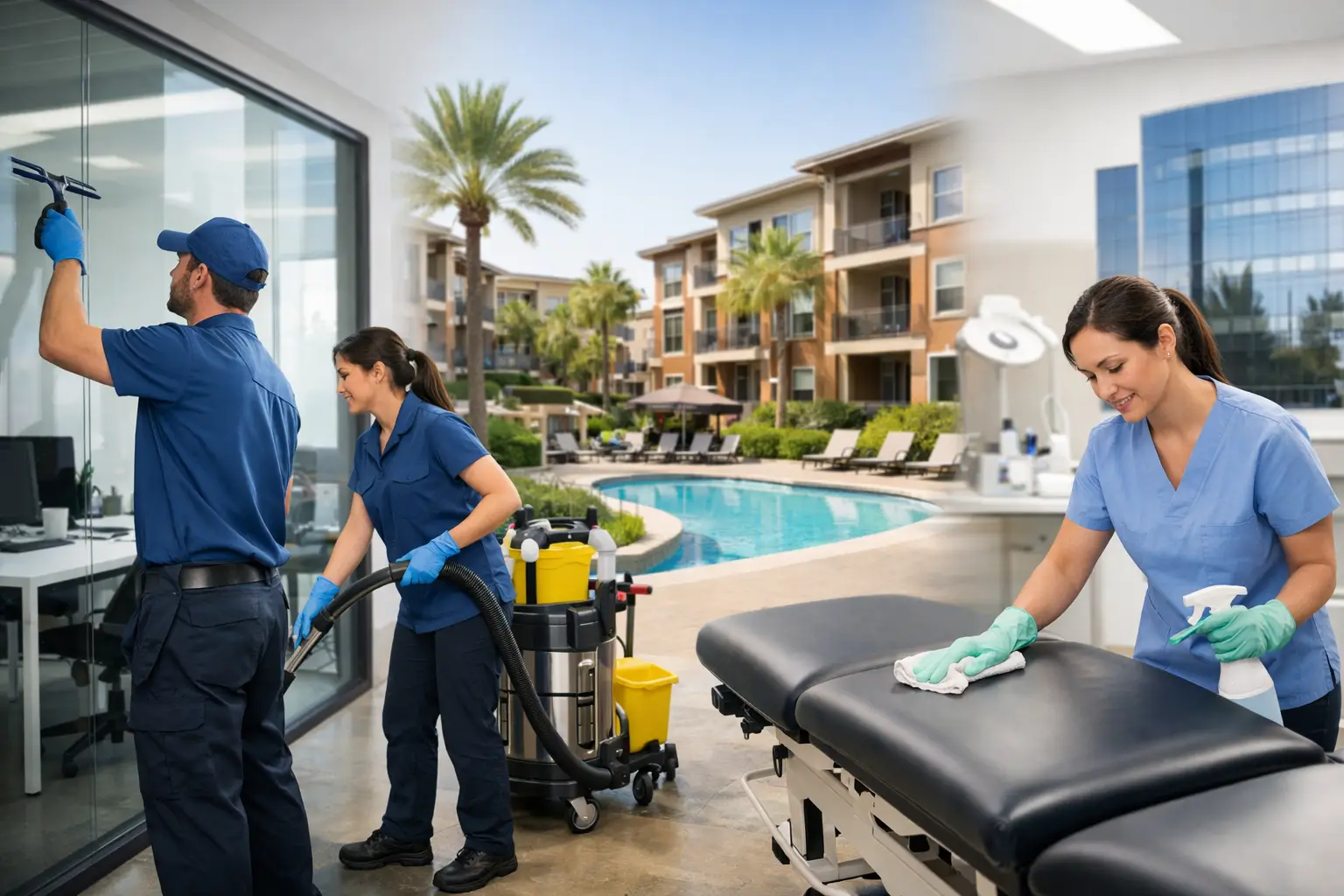
A lobby can look presentable at 8:00 a.m. and feel neglected by noon. Restrooms, entry glass, break rooms, elevator areas, and floors tell employees, residents, visitors, and prospective tenants how a property is being managed. That is why commercial cleaning services California businesses choose should do more than complete a basic checklist. They should support the way the building is actually used.
For office managers, property managers, HOA boards, and business owners, the right cleaning plan is not necessarily the most extensive one. It is the one that keeps the spaces people notice clean, works around daily operations, and makes communication simple when needs change. A thoughtful approach helps avoid missed details, unnecessary disruptions, and the frustration of having to repeat the same request every week.
What Commercial Cleaning Should Accomplish
Commercial cleaning is often treated as a behind-the-scenes expense until a problem becomes highly visible. A streaked entry door, an overflowing trash area, or a neglected community room can quickly affect how people view the entire property. Consistent service protects the experience of everyone who works, visits, lives, or conducts business there.
The priorities differ by facility. An office may need clean workspaces, refreshed restrooms, and tidy break areas before employees arrive. A medical or professional office may have stricter expectations around appearance and touchpoint attention, while still requiring a plan that respects privacy and operating hours. Retail spaces usually benefit from regular attention to entryways, floors, glass, and high-traffic areas that collect debris throughout the day.
For HOAs and managed communities, common areas carry much of the responsibility. Clubhouses, community rooms, fitness areas, hallways, and shared restrooms need care that reflects the standards residents expect. These spaces also see uneven traffic. A room used for a weekend gathering may require a different cleaning schedule than a quiet meeting room used once a month.
A useful cleaning plan recognizes those differences rather than applying the same routine to every room.
Start With the Building’s Real Cleaning Demands
Before choosing a service schedule, look at the building from the perspective of the people who use it. Walk through the property at busy times, not only when it is empty. Notice where dirt enters, where trash accumulates, what surfaces receive frequent contact, and which areas are most visible to guests or residents.
This assessment often reveals that the issue is not simply frequency. It may be timing, scope, or a lack of attention to a few critical zones. For example, a facility may not need every office cleaned daily, but it may need its lobby, restroom, and break room refreshed more often. A multi-tenant building may need extra floor care near entrances during wet weather and less intensive service in low-use corridors.
The best plans separate routine maintenance from periodic detail work. Routine service can cover the practical needs that keep a space functioning: trash removal, restroom cleaning, surface wiping, vacuuming, and floor maintenance. Periodic work can address deeper needs such as carpet cleaning, floor cleaning, pressure washing, or post-construction cleanup when the property’s condition calls for it.
That distinction helps managers maintain a clean property without paying for the same level of service in every area at every visit.
Frequency Depends on Traffic, Not Just Square Footage
Square footage matters, but it does not tell the whole story. A compact, busy office with a shared kitchen and frequent visitors can require more consistent attention than a larger suite with limited daily activity. The same is true for community facilities. A clubhouse used for events, resident meetings, and weekend gatherings will have a different cleaning pattern than a lightly used management office.
Consider how many people use a space, when they use it, and what happens there. Food service, public access, pets, outdoor foot traffic, and shared amenities all affect the schedule. Cleaning after hours may make sense for a workplace that cannot accommodate daytime activity. Daytime service can be more useful in a high-traffic property where restrooms and shared spaces need ongoing attention.
There is no single ideal schedule. The right cadence is the one that keeps the facility ready without creating friction for the people using it.
Questions to Ask Commercial Cleaning Services in California
A cleaning provider should be able to discuss your property in clear, practical terms. The conversation should not stop at a generic list of tasks. Ask how the scope will account for your highest-traffic areas, how requests are communicated, and what happens when a special event, tenant turnover, renovation, or seasonal need changes the workload.
It is also helpful to clarify access procedures. Commercial buildings may have alarm protocols, key procedures, restricted rooms, loading requirements, parking limitations, or designated service windows. These operational details affect whether service runs smoothly. A provider that understands the expectations upfront is better positioned to work respectfully around staff, tenants, residents, and guests.
Ask for a clearly defined scope that identifies the areas to be serviced and how often they will be addressed. This is especially valuable for properties with a mix of spaces, such as offices alongside shared kitchens, meeting rooms, restrooms, and reception areas. For HOA communities, clarify whether the plan includes only interior common areas or also exterior-facing amenities and shared facilities.
Communication deserves the same attention as the task list. A responsive point of contact makes it easier to adjust for an upcoming board meeting, move-in, inspection, event, or facility issue. Details are easier to manage when no one has to guess who should receive a request.
Why Customized Plans Produce Better Results
A generic cleaning schedule can leave teams either over-serviced in quiet spaces or under-serviced in busy ones. Customization is not about making a plan complicated. It is about assigning the right level of attention where it has the most visible and practical value.
An office cleaning plan might focus on a polished reception area, clean restrooms, organized break rooms, and dependable floor care. A property management plan may prioritize common-area cleaning, hallways, lobbies, community rooms, and service flexibility between tenant activity. An HOA plan may need to account for clubhouse reservations, seasonal amenity use, and the expectations of residents who share the property every day.
For organizations with more than one site, consistency becomes another priority. A central contact, aligned service expectations, and site-specific scopes can reduce the burden on managers responsible for multiple locations. Still, standardization should not erase local needs. A busy coastal property, a downtown office, and a suburban community room may each require a different approach even when they are managed by the same organization.
Call The Helper LLC works with commercial and property-management clients to shape cleaning plans around the facility, schedule, and areas that matter most. For opportunities throughout California, scope, location, staffing availability, and contract requirements should be considered early so expectations remain clear.
Signs Your Current Plan Needs an Adjustment
Cleaning needs change as occupancy, weather, staffing, and property use change. A plan that worked six months ago may no longer fit the building. Rather than waiting for complaints, watch for patterns: entryways that lose their appearance between visits, restrooms that run short on attention, recurring floor issues, or common areas that do not feel ready for scheduled use.
A sudden increase in events, construction activity, new tenants, or seasonal traffic may call for extra service. On the other hand, a quieter period may make it reasonable to revisit the schedule and put resources toward occasional deep cleaning or floor care instead of unnecessary routine tasks.
The goal is not to chase a perfect-looking building at every moment. It is to maintain a space that feels cared for, functional, and ready for the people who depend on it.
A Cleaner Property Is Easier to Manage
The strongest commercial cleaning relationship is built on clear expectations and steady follow-through. When a provider understands the building’s busiest areas, service windows, and changing demands, cleaning becomes one less operational concern for managers and owners.
Take time to identify the details visitors notice first and the spaces your team relies on most. A well-planned service schedule can keep both working as they should, leaving your property ready for the next workday, meeting, resident event, or unexpected visit.


Comments are closed