



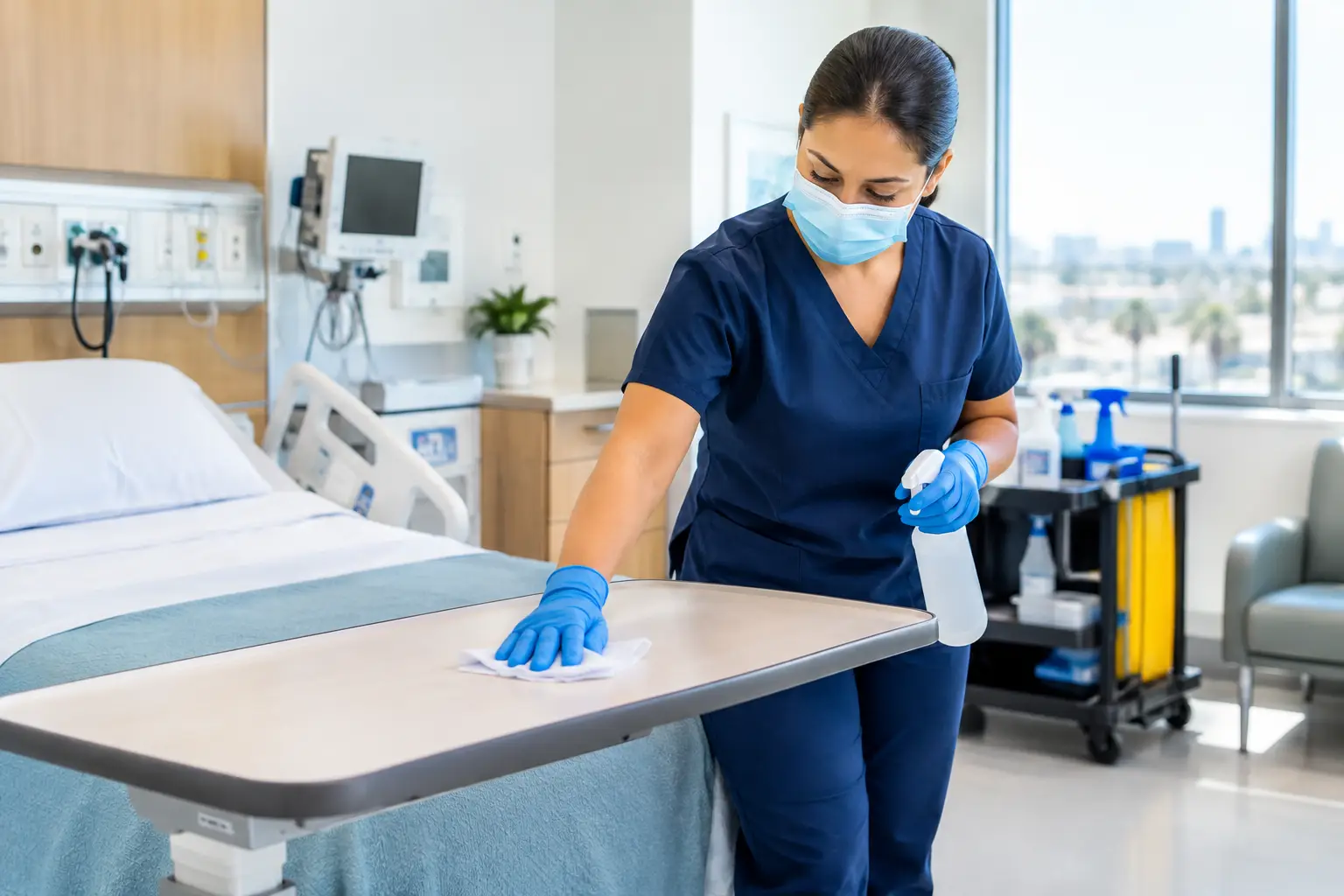
A busy waiting room can look clean at 8 a.m. and feel neglected by noon. Between patient traffic, front-desk activity, staff breaks, and frequent contact with doors and counters, health care spaces need more than an occasional tidy-up. San Diego medical cleaning starts with a clear plan for the areas people see, the surfaces they touch, and the schedule that keeps the facility ready for the next day.
For practice managers, property managers, and facility teams, the right cleaning arrangement is not simply about appearance. It is about supporting an orderly, welcoming environment without disrupting appointments, staff workflows, or patient privacy. The details matter: reliable arrival times, clear communication, consistent routines, and a cleaning scope that matches the actual use of the building.
What Medical Cleaning Should Cover
Medical and health care properties vary widely. A dental office, outpatient clinic, therapy practice, urgent care lobby, senior living common area, and medical office building do not all need the same cleaning plan. The best approach begins with identifying which spaces are public-facing, which are staff-only, and which require specialized protocols beyond a standard commercial cleaning scope.
In many non-clinical and administrative areas, recurring cleaning may focus on reception areas, waiting rooms, restrooms, break rooms, offices, hallways, floors, and entry points. High-touch surfaces such as door handles, light switches, reception counters, elevator buttons, and shared tables deserve consistent attention because they shape both cleanliness and visitor confidence.
Exam rooms, treatment areas, procedure spaces, laboratories, and areas involving regulated waste may require facility-specific procedures, products, training, or documentation. Those requirements should be discussed directly before service begins. A dependable cleaning partner will not treat every room the same or assume that a general office checklist covers a clinical environment.
Why Scope Matters in San Diego Medical Cleaning
The phrase “medical cleaning” can mean different things to different people. Some facilities are looking for janitorial support in office and common areas within a medical building. Others need a provider that can work within detailed infection-control procedures established by the facility. Confusion around that distinction can create missed expectations from the start.
Before selecting a provider, define the areas that need routine care and the tasks that must be handled by an appropriately qualified specialist. For example, a property manager may need a dependable crew for building lobbies, shared restrooms, tenant corridors, leasing offices, and employee break rooms, while individual medical tenants manage their own clinical cleaning protocols. That division of responsibility should be written into the scope rather than left to assumption.
A clear scope also prevents overcleaning in low-use areas and under-cleaning where traffic is highest. A small specialty practice may need attention several evenings a week, while a multi-tenant medical office property may benefit from daily common-area service and scheduled floor care. The right frequency depends on patient volume, operating hours, surface types, staffing, and how quickly a space needs to be reset.
Build a Cleaning Plan Around Real Facility Use
A useful cleaning plan follows the rhythm of the property. In health care settings, that usually means choosing service times that minimize interruption while still allowing staff to report issues and confirm priorities. After-hours cleaning is often practical, but daytime porter-style support can make sense for larger facilities, busy waiting areas, or buildings with shared public restrooms.
Start by walking the space with the cleaning provider. This gives both sides a chance to identify traffic patterns, storage access, fragile equipment zones, locked rooms, and areas that need special attention. It also helps establish a realistic sequence for service, so a reception desk is not cleaned while patients are checking in or a break room is not closed off during a staff lunch period.
The plan should answer practical questions: Who provides access? Where are supplies stored? Which areas are off-limits? Who should receive updates if something needs attention? What happens when a holiday schedule or building event changes the normal routine? Those operational answers are often what separate a smooth recurring service from a frustrating one.
Focus on the spaces visitors notice first
Patients and visitors form an impression quickly. A streaked glass door, overflowing trash can, dusty seating area, or restroom that has not been refreshed can undermine the professional care taking place elsewhere in the facility. Front entries, check-in areas, waiting rooms, restrooms, and corridors should be prioritized according to use, not just square footage.
Floor care also has an outsized effect. Hard floors can show tracked-in debris near entrances, while carpeted waiting areas can hold visible wear between deeper services. Routine vacuuming, mopping, spot attention, and scheduled carpet or floor cleaning can help maintain a more polished appearance over time.
Keep communication simple and accountable
Facility needs change. A practice may add hours, a tenant may move in, construction work may leave dust behind, or seasonal weather may increase tracked-in dirt. A cleaning plan should be easy to adjust when conditions change.
Designating one point of contact on each side can reduce confusion. Facility teams should be able to communicate requests clearly, and cleaning teams should know how to report supply concerns, access issues, damage noticed during service, or conditions that fall outside the agreed scope. Brief, direct communication is especially valuable at multi-location properties where consistency matters across sites.
Questions to Ask Before Hiring a Cleaning Provider
Medical offices and health care properties should ask direct questions before committing to a recurring schedule. The goal is not to create unnecessary complexity. It is to make sure the provider understands the building, the boundaries of the work, and the level of coordination required.
Ask how the company documents the agreed cleaning tasks and how changes are communicated. Ask whether service can be scheduled around patient hours and whether the team can accommodate the building’s access procedures. Discuss which cleaning tasks are included in common areas, restrooms, offices, and break rooms, along with how often floors receive routine and deeper care.
It is also wise to address sensitive boundaries early. If a facility has clinical rooms, sharps, regulated waste, bodily-fluid incidents, or other specialized needs, clarify who is responsible and what procedure applies. A commercial cleaner should never be expected to take on work that has not been explicitly agreed upon and properly planned for.
Finally, ask how quality concerns are handled. A responsive provider should welcome specific feedback, whether it concerns a missed detail, a changing schedule, or an area that needs more frequent attention. The strongest long-term cleaning relationships are built on prompt communication, not vague expectations.
A Practical Fit for Medical Office Properties
Many health care properties need consistent commercial cleaning without needing every room treated as a clinical space. This is especially common in professional medical office buildings, therapy offices, administrative suites, shared tenant corridors, clubrooms, and reception-focused practices. These environments still need a high standard of care because they serve patients, families, employees, and tenants throughout the day.
Call The Helper LLC can help property and facility teams create a customized commercial cleaning plan for appropriate office, common-area, and facility spaces. That can include recurring attention to reception areas, restrooms, staff spaces, hallways, floors, and other agreed-upon areas, scheduled around the way the property operates. For San Diego County managers juggling vendors, tenant needs, and daily building demands, a clear plan and dependable communication make the cleaning process easier to manage.
The best time to review a cleaning plan is before a complaint forces the issue. Walk the property at the end of a busy day, notice where litter collects, check the condition of public restrooms, and look at the entrance from a visitor’s perspective. Those observations will point to the schedule and scope your facility actually needs.


Comments are closed