



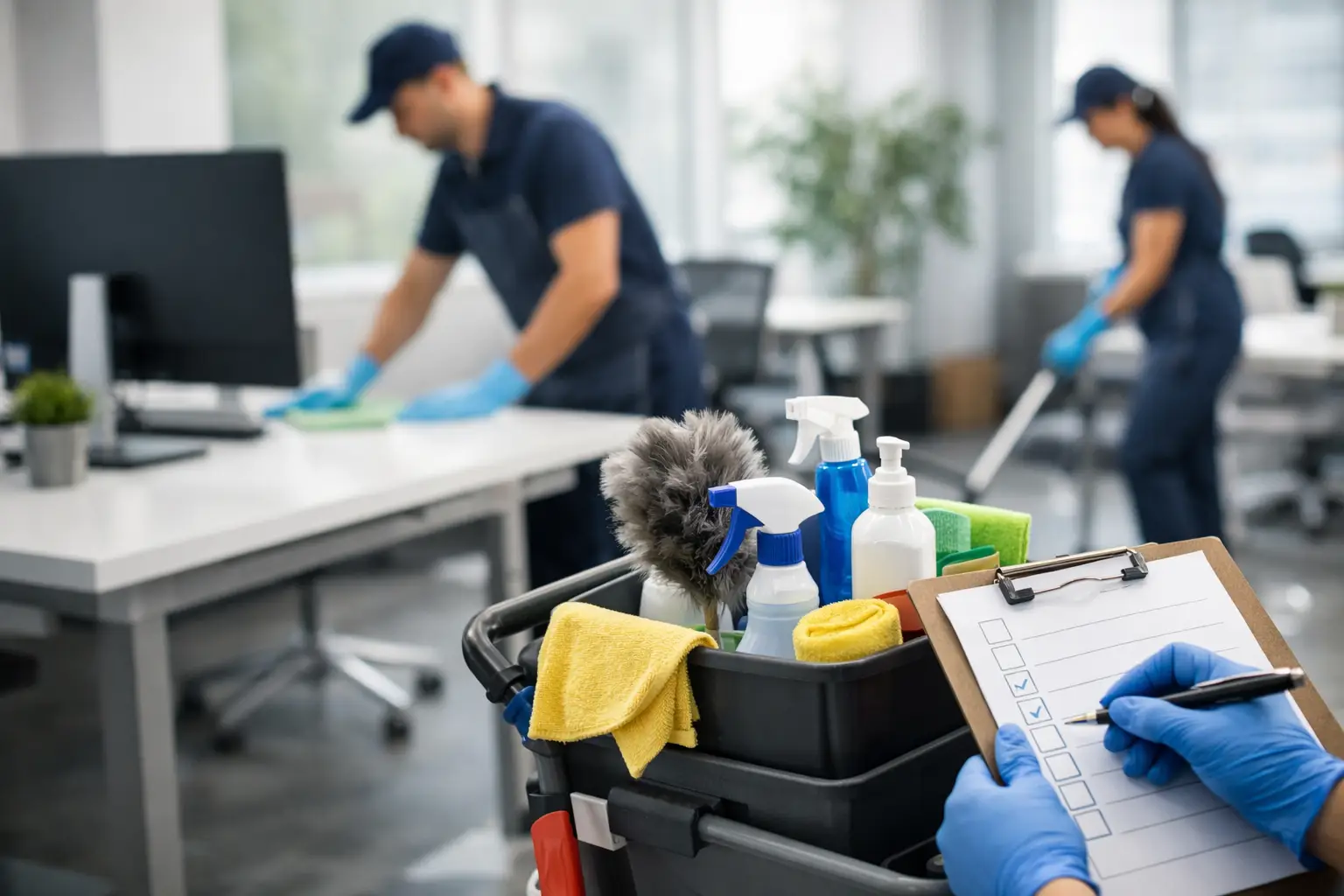
A cluttered reception desk, a full trash can in the break room, or fingerprints on a conference-room table can shape how employees, clients, and visitors view your business. A clear office cleaning checklist turns cleaning from a last-minute response into a dependable routine that keeps your workplace presentable, comfortable, and ready for business.
The right checklist is not one-size-fits-all. A small professional office with limited foot traffic needs a different plan than a shared workspace, medical-adjacent facility, property management office, or multi-tenant building. The goal is to match each task to how people actually use the space, then assign a practical frequency and a clear point of responsibility.
Start With a Cleaning Plan That Fits Your Office
Before assigning tasks, walk through the office at the end of a normal workday. Notice where trash builds up, where floors show wear, which surfaces are touched most often, and where visitors spend their time. These observations should guide the cleaning schedule more than a generic checklist ever could.
Think in zones: entry and reception, individual workspaces, conference rooms, restrooms, break areas, hallways, and storage or utility spaces. High-traffic zones usually need daily attention. Lower-use areas may only need weekly or monthly service. This approach helps maintain visible results without spending cleaning time where it is not needed.
For offices with changing schedules, multiple tenants, or after-hours access requirements, it also helps to document preferred cleaning windows. Consistency matters. Employees should know when cleaning takes place, and the cleaning team should know which areas need special attention after meetings, events, or busy visitor days.
Daily Office Cleaning Checklist
Daily tasks protect the overall appearance of the workplace and address the areas employees and guests notice first. They are especially useful in offices where teams share kitchens, restrooms, meeting rooms, and reception areas.
- Empty trash and recycling bins, replace liners as needed, and remove waste from common areas.
- Wipe and disinfect high-touch surfaces such as door handles, light switches, elevator buttons, shared phones, and reception counters.
- Clean and restock restroom essentials, wipe sinks and fixtures, clean toilets, and check floors for spills or debris.
- Clean break room counters, tables, sink areas, appliance exteriors, and visible food spills.
- Wipe conference-room tables, straighten chairs, remove abandoned cups or papers, and reset the room for its next use.
- Spot-clean glass doors, entry panels, and windows where fingerprints are visible.
- Vacuum entrance mats and high-traffic carpeted areas, or sweep and mop hard-surface floors as needed.
Daily cleaning does not mean every item must receive the same level of attention every evening. A lightly used conference room may simply need a reset, while a busy break room may need more detailed cleaning. The checklist should give the team direction while allowing reasonable adjustments based on actual use.
Desk Areas Require a Privacy-First Approach
Individual desks can be one of the most sensitive parts of office cleaning. Cleaning teams should avoid moving documents, opening drawers, or handling personal items unless the client has specifically requested it. In many offices, the appropriate daily approach is limited to emptying waste bins, vacuuming around desks, and cleaning accessible surfaces that have been cleared by employees.
Encouraging staff to clear desk surfaces before scheduled service makes a noticeable difference. It allows for better dusting and cleaning while protecting confidential materials and personal belongings.
Weekly Tasks for a More Detailed Clean
A weekly office cleaning checklist reaches the buildup that daily service may not fully address. It is the difference between an office that looks acceptable at a glance and one that feels cared for throughout the week.
Focus weekly cleaning on dusting accessible ledges, baseboards, blinds, shelves, and low-traffic furniture. Vacuum carpets more thoroughly, including edges and under movable chairs. Mop hard floors with attention to corners and areas near entrances, break rooms, and restrooms.
Break rooms also benefit from a deeper weekly reset. Clean the inside of microwaves, wipe cabinet fronts, remove expired items if that is part of the office policy, and clean around small appliances. In restrooms, address partitions, wall splashes, dispensers, and floor edges that may not be fully handled during a daily service.
For shared meeting spaces, wipe chair arms, clean presentation surfaces, and dust equipment exteriors. If whiteboards are used frequently, erase old notes and clean the board according to its surface type. These details help the room look prepared before an important client meeting or team presentation.
Monthly and Periodic Office Cleaning Tasks
Some cleaning tasks should be scheduled less often, but they still affect the condition and lifespan of your office. Leaving them off the plan can lead to dull floors, dusty vents, stained carpets, and a workplace that begins to look neglected over time.
Monthly or periodic tasks may include detailed cleaning of interior glass, dusting high ledges and vents that are safely accessible, wiping doors and frames, cleaning behind movable furniture, and treating floor spots before they become permanent stains. Carpet cleaning, hard-floor maintenance, and pressure washing may also make sense at intervals based on foot traffic and the condition of the property.
The timing depends on the building. A client-facing office near a busy entrance may need floor care more often than a small back-office suite. A property management company with a community room or clubhouse may need a more detailed clean after resident events. A flexible plan makes it easier to increase service when activity increases without rebuilding the entire schedule.
Do Not Overlook Reception, Restrooms, and Break Rooms
These three areas carry more weight than their square footage suggests. Reception creates the first impression. Restrooms signal how closely a business pays attention to shared spaces. Break rooms affect the everyday experience of employees.
Reception should be free of visible dust, fingerprints, debris, and overflowing bins. Seating should be straightened, floors should be clean, and the front counter should remain clear except for approved materials. If your office displays brochures, signage, or visitor information, cleaning should preserve the presentation rather than simply work around it.
Restrooms need consistent checks, particularly in offices with visitors or larger teams. Supplies should be monitored before they run low, not only after a complaint. Odor concerns, empty dispensers, and wet floors should be addressed promptly because they can disrupt the workplace and create an uncomfortable experience.
In break rooms, establish a practical division between employee responsibilities and professional cleaning responsibilities. Employees can remove personal food, wipe spills when they happen, and avoid leaving dishes overnight. A cleaning service can maintain the shared surfaces, floors, sink area, trash, and appliance exteriors on the agreed schedule.
Make Quality Checks Part of the Checklist
A cleaning schedule works best when someone verifies the outcome. This does not need to be a lengthy inspection every day. A brief walkthrough can catch missed bins, streaked glass, supply shortages, or areas that need added attention before employees arrive.
For office managers, a simple log can help identify patterns. If a restroom repeatedly needs extra service, the issue may be supply placement, traffic level, or the frequency of checks. If floors look worn near an entrance, more frequent spot cleaning or seasonal floor care may be the better solution.
Communication matters just as much as the task list. Let the cleaning team know about office events, schedule changes, construction work, visitor-heavy days, or areas that should not be entered. In return, the cleaning plan should make clear what is included, when it will be completed, and how special requests are handled.
When to Bring in Professional Office Cleaning Support
Internal teams can handle small daily habits, but they often do not have the time, equipment, or consistency needed for full workplace care. Professional office cleaning can be especially useful when the office has frequent visitors, multiple shared areas, recurring restroom needs, floor-care requirements, or a schedule that calls for after-hours service.
Call The Helper LLC can build a customized commercial cleaning plan around your office layout, traffic level, and preferred schedule. The right plan can cover recurring janitorial work, detailed common-area cleaning, and periodic floor care without forcing your staff to manage cleaning between their regular responsibilities.
A well-kept office is not about chasing perfection every hour of the day. It is about creating a dependable standard: clear surfaces, clean shared spaces, stocked restrooms, and a workplace that is ready when employees and visitors walk through the door.


Comments are closed