



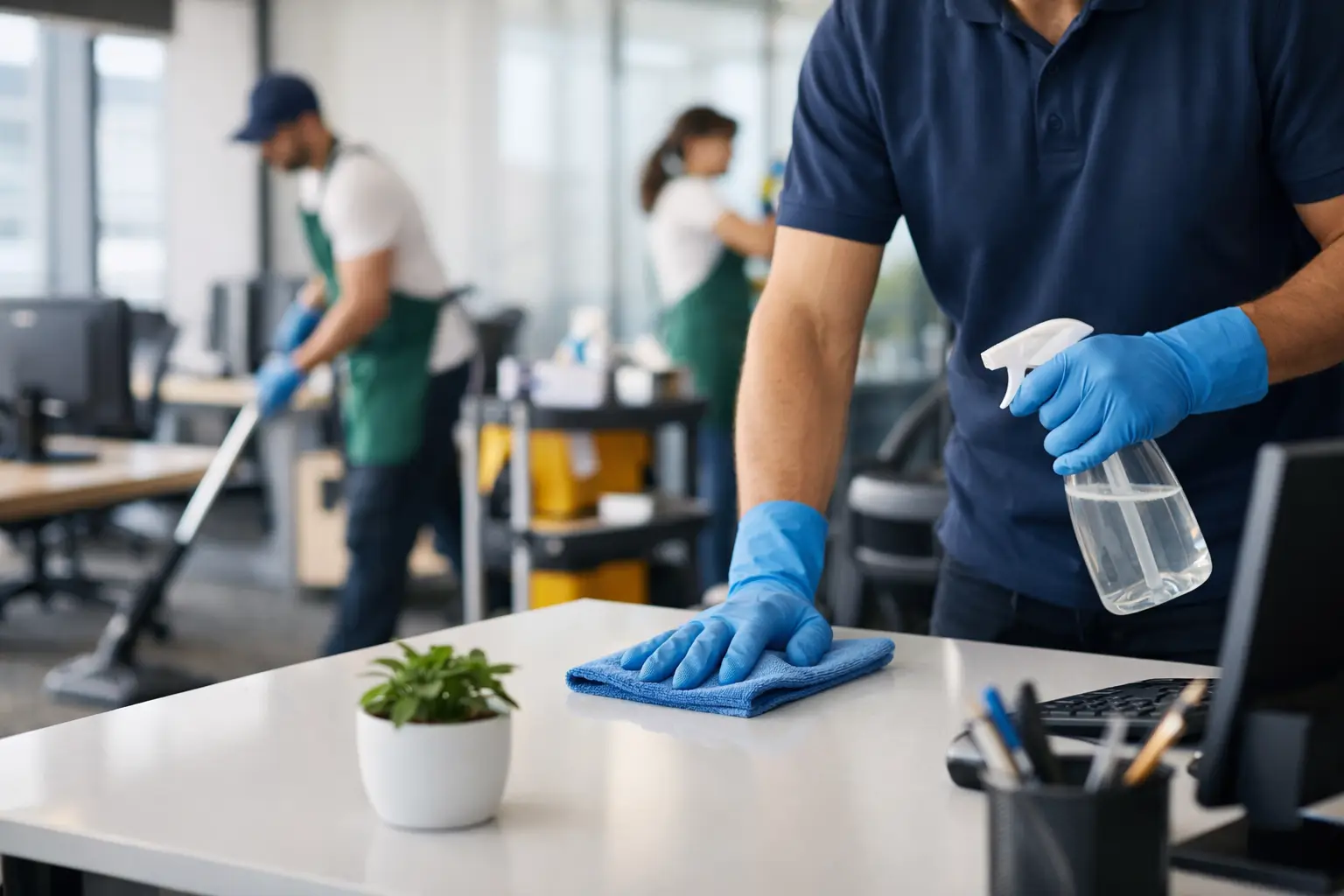
A clean lobby can set expectations before a visitor reaches the front desk. A neglected restroom, dusty conference room, or overflowing trash bin can do the opposite just as quickly. Professional janitorial services help offices, shared facilities, and managed properties stay ready for the people who use them every day.
For property managers, business owners, HOA boards, and facility teams, the goal is not simply to make a space look clean after hours. It is to maintain an environment that feels cared for at opening time, between meetings, before community events, and after a busy day. That takes a plan built around the property, its traffic patterns, and the details people notice most.
What Janitorial Services Should Accomplish
Janitorial work is ongoing cleaning support designed to keep a commercial or shared property in order. It commonly includes routine attention to restrooms, break rooms, offices, entryways, common areas, trash removal, touchpoint cleaning, dusting, vacuuming, and floor care. The right scope depends on the space.
An office with a small staff may need scheduled cleaning a few times a week. A medical-adjacent professional building, a busy clubhouse, or a multi-tenant common area may need more frequent attention because traffic, weather, and daily use create a different level of demand. A good cleaning plan is based on what actually happens in the building, not a generic checklist copied from another property.
Visible results matter, but reliable service is equally important. When cleaning teams arrive on schedule, communicate clearly, and understand the priorities of a site, managers can spend less time following up on routine tasks. Employees can focus on their work, residents can enjoy shared amenities, and visitors can enter a space that reflects well on the organization.
The Details That Shape a Better Cleaning Plan
The most effective janitorial services begin with a walkthrough and a practical conversation. Square footage matters, but it is only one part of the picture. A smaller lobby with constant foot traffic can require more attention than a larger space that is rarely used.
Traffic and timing
Cleaning frequency should match how a property is used. Entryways may need frequent floor care during rainy periods or high-traffic seasons. Restrooms used by customers, staff, or residents need a consistent schedule that prevents supplies, trash, and appearance issues from building up. Conference rooms may need attention before morning meetings, while break rooms can be better served after lunch or at the end of a shift.
Timing matters, too. Some businesses prefer cleaning after operating hours to reduce disruptions. Others need daytime support for public-facing areas, spills, restrooms, or events. There is no single best schedule. The right one protects the workday while keeping the facility presentable when it matters most.
The areas people judge first
First impressions usually form in a few high-visibility places: entrances, reception areas, restrooms, elevators, hallways, and shared kitchens. These spaces deserve special attention because they affect how visitors, employees, tenants, and residents experience the entire property.
That does not mean back-of-house spaces should be ignored. Storage areas, staff rooms, offices, and service corridors still affect daily operations and employee morale. The difference is priority. A thoughtful plan identifies which areas need daily attention, which can be handled on a rotating schedule, and which require periodic deep cleaning.
Floors, surfaces, and recurring buildup
Floor care is often one of the most visible parts of facility cleaning. Dirt tracked into entryways, dull hard floors, stained carpet, and neglected corners can make an otherwise orderly space feel uncared for. Routine vacuuming, mopping, and spot attention help preserve appearance, while periodic carpet and floor cleaning can address buildup that daily service cannot fully remove.
The same applies to high-touch surfaces, glass doors, baseboards, and fixtures. Daily work keeps conditions under control. Deeper service addresses the details that gradually collect dust, fingerprints, residue, and wear. Both are useful, but they solve different problems.
Janitorial Services for Offices and Facilities
For offices, cleaning should support a productive, professional work environment. Desks and workstations may have privacy considerations, while reception areas and meeting rooms need a polished appearance. Break rooms require attention to counters, sinks, tables, floors, and trash. Restrooms need dependable care because employees and guests notice their condition immediately.
Facility managers may also need a more structured approach across several zones, such as administrative offices, training rooms, restrooms, corridors, and employee areas. In these settings, clear expectations are essential. Everyone should understand what is included in recurring service, what is handled periodically, and how special requests are communicated.
For organizations with multiple locations, consistency is often the challenge. Each site has its own layout and schedule, but the standard of care should feel consistent from one location to the next. That requires cleaning plans that can be adjusted for local needs without losing sight of the larger operational standard.
Janitorial Support for HOAs and Property Managers
Common areas are part of a property’s everyday reputation. Residents may not comment when a clubhouse is tidy, the lobby floor is clean, and the community restroom is ready for use. They do notice when those details are missed.
HOA and property-management cleaning often involves clubhouses, community rooms, fitness-adjacent shared spaces, leasing offices, hallways, entrances, mail areas, and other amenities. These spaces may have changing schedules due to meetings, reservations, move-ins, inspections, or community events. Flexibility and communication matter as much as the cleaning itself.
A customized approach also helps avoid wasted effort. A community room used only for weekend events may need pre-event and post-event cleaning rather than daily service. A busy shared lobby may need more frequent touch-ups. A property with outdoor walkways may benefit from periodic pressure washing or focused attention on dirt tracked inside. The plan should reflect the property’s real use, not assumptions about it.
Questions to Ask Before Hiring a Cleaning Partner
Before choosing a provider, it helps to get specific about the work rather than relying on broad descriptions. Ask how the cleaning scope will be documented, how schedule changes are handled, and who to contact when a site has a special need. Discuss access procedures, priority areas, event schedules, and any surfaces that need particular care.
You should also clarify what happens outside the regular routine. Post-construction cleanup, carpet cleaning, floor cleaning, pressure washing, and one-time deep cleaning may be available separately from recurring service. Knowing where routine janitorial work ends and specialized cleaning begins prevents confusion later.
The lowest quoted scope is not always the best value if it leaves out the areas that affect your property most. On the other hand, paying for daily service in low-traffic spaces may not be necessary. The best arrangement is one that matches the condition you want to maintain and the level of activity the property actually sees.
Why Communication Is Part of the Service
Cleaning is often performed outside normal business hours, which can make communication easy to overlook. Yet it is one of the strongest indicators of whether a service relationship will run smoothly. Property managers need to know that schedule adjustments, access updates, tenant concerns, and special-event requests can be addressed without unnecessary back-and-forth.
A dependable cleaning partner takes responsibility for the details that keep a property running well. That includes listening to feedback, adapting the plan as a facility changes, and maintaining clear expectations from the start. At Call The Helper LLC, customized cleaning plans are built around the needs of offices, common areas, facilities, and communities throughout San Diego County.
The right janitorial support should make your space easier to manage, not add another task to your list. When your workplace or shared property has a cleaning plan that fits its people, schedule, and daily demands, the result is felt in every clean entrance, ready restroom, and well-kept room.


Comments are closed