




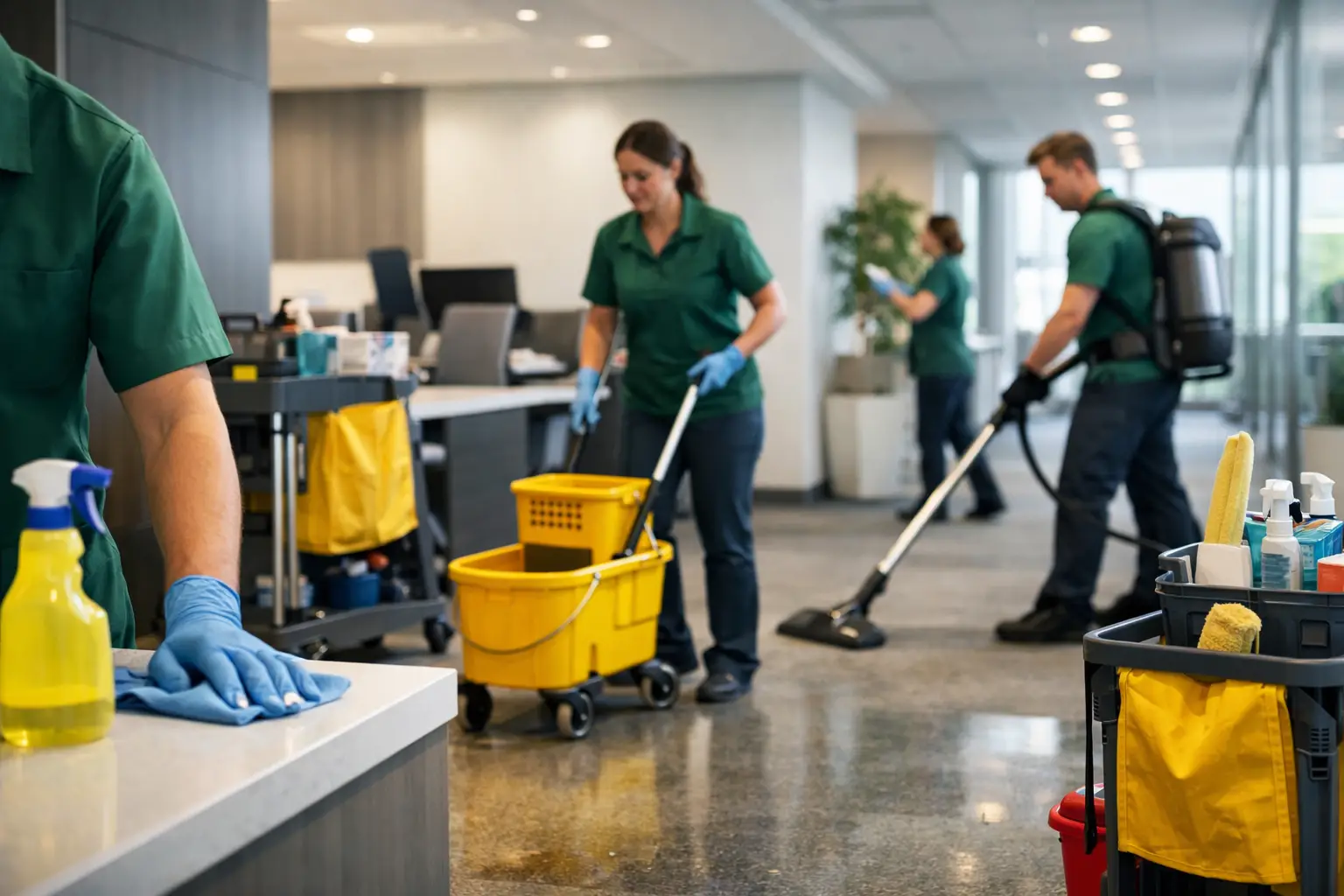
A facility can look clean at 8:00 a.m. and feel neglected by lunchtime. Fingerprints collect on entry doors, restroom supplies run low, break rooms see constant use, and floors quickly show the impact of employees, visitors, and daily traffic. Commercial facility cleaning is not just about making a good first impression. It is a practical way to keep the spaces people rely on orderly, presentable, and ready to support the work happening there.
For office managers, facility managers, property managers, and HOA teams, the challenge is rarely deciding whether cleaning is needed. The real question is how to create a cleaning plan that matches the building, the people using it, and the pace of operations.
What Commercial Facility Cleaning Should Cover
A commercial facility is more than a lobby and a few offices. Depending on the property, it may include reception areas, workstations, conference rooms, restrooms, kitchens or break rooms, stairwells, elevators, hallways, storage areas, and shared amenity spaces. Each area has different traffic levels and different expectations.
A thoughtful cleaning plan starts with the spaces that affect the daily experience most. Entryways and reception areas set the tone for visitors. Restrooms and break rooms require consistent attention because they are used repeatedly throughout the day. Floors, touchpoints, and trash areas can change the overall appearance of a facility quickly when they are missed.
The goal is not to apply the same checklist to every room. It is to make sure the right work happens in the right place at the right frequency. A quiet administrative office may need a different schedule than a busy medical-adjacent office building, a clubhouse, or a property with heavy resident and visitor traffic.
Start With the Way Your Facility Is Actually Used
The best commercial facility cleaning plans are built around real use, not assumptions. A building may have a small footprint but require frequent service because its restrooms, lobby, or common spaces are constantly active. Another location may be larger but need focused cleaning only a few times a week.
Consider when people enter, where they gather, and which spaces create the most visible problems between cleanings. For example, a conference room used for client meetings may need attention before the workday begins. A break room may benefit from service after peak use. Shared hallways and elevator areas in an HOA community may need a schedule that accounts for resident traffic, deliveries, and events.
This assessment also helps prevent two common problems: paying for tasks that do not add value and overlooking the areas that need the most care. Cleaning should feel responsive to your property, not copied from a generic template.
High-traffic spaces deserve more than a quick pass
High-traffic areas are where people form their strongest opinions about a building. Dirty glass doors, marked floors, overflowing trash, and neglected restroom fixtures are immediately noticeable. These details can affect how employees feel about their workplace, how visitors view the business, and how tenants or residents experience a shared property.
Regular attention to these areas creates a visible baseline of care. That does not mean every surface needs the same level of service every day. It means the cleaning team should understand which details are most likely to need attention and make them a priority.
Set a Schedule That Supports Operations
Cleaning frequency depends on traffic, building type, operating hours, and the condition you want to maintain. Daily janitorial support may make sense for a busy office, a multi-use property, or a facility with restrooms and common areas used throughout the day. A smaller professional office may be well served by recurring cleaning several times per week.
Timing matters as much as frequency. Cleaning during business hours can be useful when a facility needs ongoing attention, but it may interrupt meetings, phone calls, or focused work. After-hours service can reduce disruption, although it requires clear access procedures and communication about special needs. Some properties benefit from a mix: recurring after-hours cleaning with occasional daytime support for high-use areas.
A flexible schedule should also account for changes. A scheduled event, move-in period, renovation project, seasonal increase in visitors, or important client meeting can create needs outside the normal routine. Clear communication makes it easier to adjust without losing sight of regular service.
The Details That Separate Routine Cleaning From Reliable Care
Consistency is what makes recurring cleaning valuable. A facility should not receive excellent attention one week and an incomplete visit the next. Managers need confidence that the agreed-upon tasks are being handled, that concerns are communicated promptly, and that special instructions are not forgotten.
That starts with a clear scope of work. Rather than saying a space will simply be cleaned, identify the rooms, surfaces, and recurring tasks that matter. This may include dusting accessible surfaces, emptying trash, cleaning and restocking facility-provided restroom supplies, wiping shared touchpoints, cleaning break-room counters, vacuuming carpeted areas, and mopping hard floors.
Periodic services can be planned separately when needed. Carpet and floor cleaning, post-construction cleaning, pressure washing, and detailed attention to areas that receive less frequent use can help a facility maintain its appearance beyond the daily or weekly routine. The right approach depends on the property and its surfaces, so it is better to address these services based on condition and use rather than add them automatically.
Communication keeps small issues from becoming visible problems
A reliable cleaning relationship should make life easier for the person managing the property. That means there should be a straightforward way to share access instructions, report an issue, request extra attention, or explain an upcoming change in the schedule.
It also means cleaning teams should notice practical concerns. A recurring spill near an entrance, a restroom that receives unusually heavy use, or a break room that needs more frequent attention may signal that the plan should be adjusted. The best results come from an ongoing conversation, not a one-time walkthrough that is never revisited.
Common-Area Cleaning for Managed Properties
For HOA boards and property managers, common areas carry a different kind of responsibility. Clubhouses, community rooms, hallways, fitness-adjacent spaces, restrooms, and shared amenities are used by many people with different routines. When these spaces are clean, they feel cared for and more welcoming. When they are not, the issue is visible to the entire community.
Common-area cleaning should reflect how residents use the property. A community room that hosts meetings or private events may need cleaning before and after scheduled use. An entry area that sees frequent foot traffic may need more regular floor care. Restrooms, elevators, and shared touchpoints should be addressed on a schedule that fits their daily use.
Property managers also benefit from a service provider that can work within the property’s access requirements and communicate clearly when needs change. The goal is not only a cleaner space. It is a dependable process that helps managers stay ahead of avoidable complaints and last-minute scrambling.
How to Choose a Commercial Facility Cleaning Partner
Before choosing a provider, look for a company that asks practical questions about your facility. A useful conversation should cover square footage, traffic patterns, operating hours, building access, priority areas, current pain points, and the desired service frequency. If a provider offers the same plan before understanding the property, the result may not fit your needs.
It is also reasonable to ask how requests are handled, how schedule changes are communicated, and what happens when an area needs additional attention. You want a cleaning partner that is professional and easy to reach, especially when your facility has an event, an inspection, or an unexpected issue.
For businesses and managed properties in San Diego County, Call The Helper LLC can create customized recurring cleaning support for offices, facilities, and shared spaces. The focus should always be on the work that makes your property easier to manage and more comfortable for the people who use it.
A clean facility is not a background detail. It is part of how your organization welcomes people, supports daily work, and shows care for the space under your responsibility. A plan built around your actual needs gives you one less operational concern to carry each day.


Comments are closed