



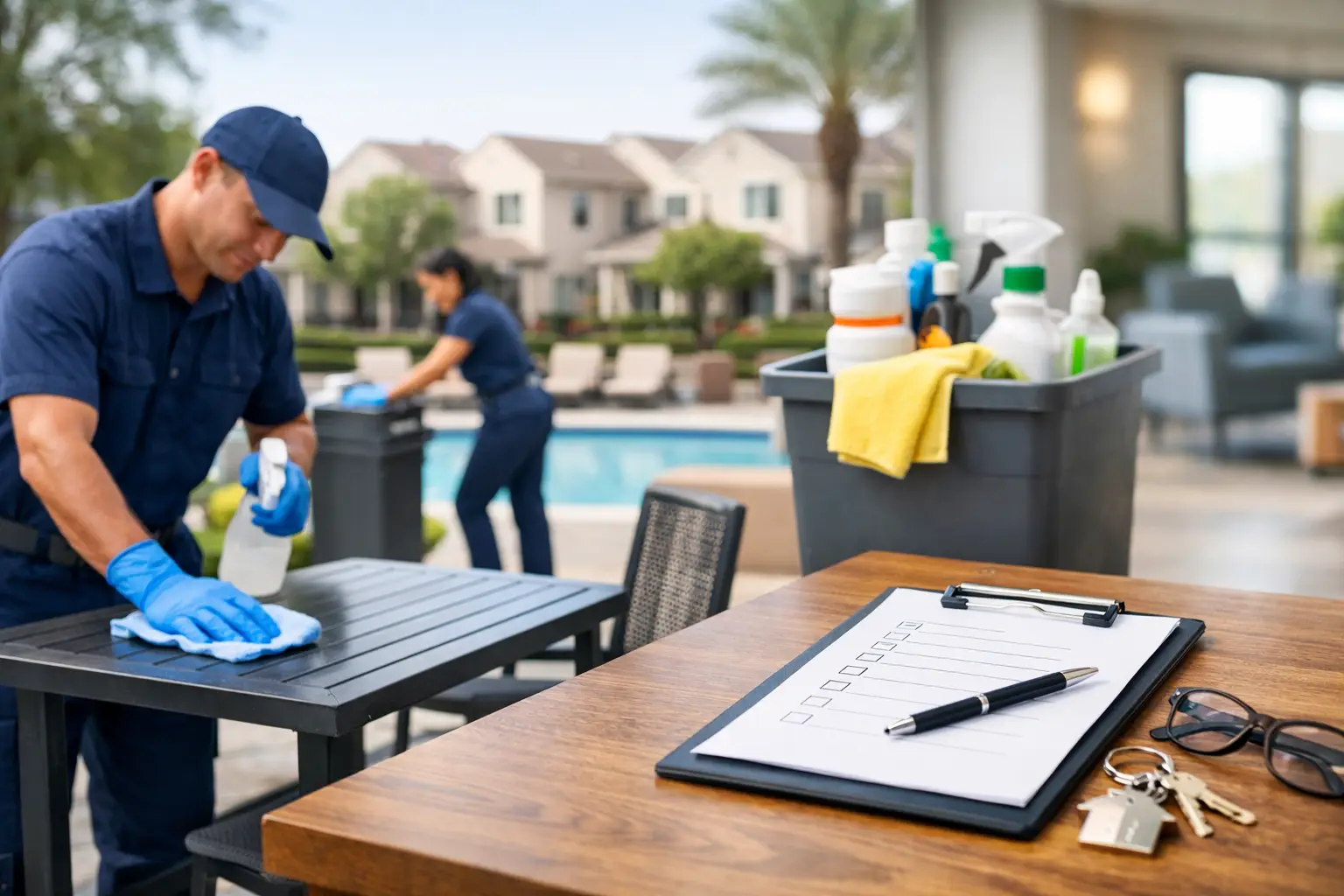
A clubhouse can look clean at 8 a.m. and still create complaints by noon if fingerprints remain on entry doors, trash bins overflow, or a restroom was missed before a community event. An HOA cleaning service review gives boards and property managers a practical way to look beyond a proposal and determine whether a cleaning partner can maintain the shared spaces residents notice every day.
For an HOA, cleaning is not simply a line item. It affects how residents, guests, vendors, and prospective buyers experience the community. The right provider should make the work feel organized, responsive, and consistent – not create another task for the manager or board to chase.
Start With the Community’s Actual Cleaning Needs
Before comparing cleaning companies, define what needs attention, how often it needs attention, and what a clean result should look like in each area. A large community with an active clubhouse, fitness room, poolside restrooms, and daily foot traffic needs a different plan than a smaller property with a lobby, mailroom, and weekly meeting space.
Walk the property with the people who see it most often. That may include the community manager, maintenance lead, board representative, or clubhouse coordinator. Note recurring problem areas such as dusty baseboards, smudged glass, neglected corners, floor buildup, restroom supplies, or debris around entrances. This step turns vague requests for “common-area cleaning” into a scope a provider can understand and staff appropriately.
A thoughtful cleaning plan may cover clubhouses, community rooms, lobbies, hallways, elevators, mail areas, leasing or management offices, restrooms, fitness areas, and other shared facilities. Exterior-adjacent needs can also matter, including pressure washing, trash bin cleaning, and cleaning around high-visibility entry points when those services fit the property’s requirements.
The goal is not to request every possible service. It is to identify the work that protects the resident experience and keeps the community looking cared for between maintenance visits.
What to Look for in an HOA Cleaning Service Review
A useful HOA cleaning service review should examine performance from the property manager’s perspective: Can this company follow the plan, communicate when conditions change, and leave visible results without constant follow-up?
A clear, site-specific scope of work
A generic checklist can be a starting point, but it should not be the final plan. Ask how the provider separates routine work from periodic detail cleaning. Daily or frequent tasks may include removing trash, wiping common touchpoints, cleaning restrooms, vacuuming or mopping floors, and tidying community rooms. Periodic tasks may involve deeper floor care, detailed dusting, carpet cleaning, window attention, or pressure washing.
The scope should also define the areas that are not included. This avoids confusion when a board expects a task to be handled but the cleaning crew has never been assigned it. Specificity helps both sides. It gives the cleaning team a workable standard and gives management a reliable basis for inspection.
Scheduling that fits resident activity
The best schedule is rarely based on what is easiest for the cleaning company alone. It should account for when residents use shared spaces, when vendors arrive, when staff are onsite, and when events take place.
For example, a community room may need cleaning after reservations rather than only on a fixed weekly visit. A fitness area may need more frequent attention during high-use periods. Clubhouse cleaning may need to happen before early meetings or after evening events. Ask whether the provider can build a schedule around these realities and explain how requests outside the normal routine are handled.
Flexibility has limits, especially for larger properties or changing staffing needs. Still, a provider should be direct about what is feasible and willing to create a plan that reflects how the property actually operates.
Communication that reduces management workload
HOA managers already coordinate maintenance, resident questions, vendors, budgets, board communication, and unexpected issues. Cleaning communication should be straightforward, timely, and documented well enough that small matters do not turn into repeated frustrations.
During your review, pay attention to the quality of communication before service begins. Are questions about the property answered clearly? Does the company ask useful questions about access, building rules, event calendars, parking, waste disposal, and priority areas? A provider that takes time to understand operations is more likely to deliver a practical plan.
It also helps to establish one primary contact and a simple process for reporting concerns or requesting additional work. The point is not to create unnecessary paperwork. It is to ensure that a missed task, an event cleanup need, or a change in access instructions reaches the right person quickly.
Consistency across every visit
A strong first cleaning can make a good impression, but HOA service is judged over time. Residents notice whether the same corners stay clean, whether restrooms remain presentable, and whether common areas look ready for use week after week.
Ask how cleaning expectations are communicated to the team and how the company checks that recurring work is completed. You do not need a complicated system for every property, but you do need a realistic method for maintaining standards. This is particularly important when the community has multiple buildings, amenity spaces, or separate areas with different cleaning frequencies.
Consistency also depends on sensible staffing and sufficient time onsite. If a proposal covers a long list of areas in very little time, the manager should ask how the work will be prioritized. A lower-cost scope that leaves visible areas unfinished can become more expensive in resident dissatisfaction and repeated service calls.
Review Results, Not Just Promises
The clearest way to evaluate cleaning quality is to look at the surfaces residents touch and the places they see first. Entry glass, door hardware, restroom fixtures, mirrors, floors, trash areas, tables, and corners tell a more accurate story than a freshly scented room alone.
Create a brief inspection standard for high-traffic spaces. It can be as simple as checking whether floors are free of obvious debris, trash is removed, restrooms are orderly, surfaces are wiped without streaks, and supplies or service needs are reported promptly. Use the same standard consistently so feedback remains fair and actionable.
Property managers should also consider the difference between routine maintenance and a reset. If a clubhouse has gone too long without detailed attention, an initial deep cleaning may be needed before recurring service can keep it at the expected level. The same applies to floors with buildup, carpets with heavy traffic, or outdoor areas that need a more thorough cleaning approach. Recognizing that difference prevents an ongoing service plan from being judged against problems that require separate work.
Questions Worth Asking Before You Choose
A proposal should make sense on paper, but a few direct questions can reveal whether it will work in practice. Ask how the company would tailor cleaning for your specific amenities, who handles routine communication, what happens if the schedule needs to change for an event, and how concerns are addressed after a visit.
Also ask whether the provider can support related needs when appropriate, such as floor care, carpet cleaning, post-construction cleaning, pressure washing, or trash bin cleaning. Not every community needs these services from the same company, and combining work is not always the best choice. However, having a cleaning partner that understands the property can simplify coordination when those needs arise.
Be candid about access restrictions, resident privacy, security procedures, parking rules, and any sensitive spaces. The more operational detail a provider receives before service starts, the less likely it is that cleaning visits will disrupt the community.
Build the Relationship Around Accountability
The most productive HOA cleaning relationship is collaborative. The board and manager set priorities, provide clear access and feedback, and communicate upcoming events. The cleaning provider brings a defined plan, dependable scheduling, professional communication, and attention to the details residents see.
Call The Helper LLC works with property-managed communities to create customized cleaning plans for shared facilities and common areas. The right starting point is a walkthrough and an honest conversation about the property’s condition, traffic patterns, and priorities.
A well-run community does not need every shared space to look untouched. It needs those spaces to look consistently cared for, ready for residents to use, and supported by a cleaning plan that makes daily management easier.


Comments are closed