



A resident notices dusty elevator corners. A prospective tenant walks through a recently vacated unit and sees residue on the kitchen floor. A board member arrives for a clubhouse event and finds overflowing trash bins. Each issue may seem small on its own, but together they shape how people perceive a managed property.
Property manager cleaning services help prevent those details from becoming last-minute problems. For property managers, HOA management teams, landlords, and facility teams, the right cleaning plan brings order to recurring work, supports better resident and tenant experiences, and gives staff one less urgent task to chase down.
Why Cleaning Is an Operations Issue
Cleaning is often treated as a cosmetic task until it affects a showing, resident complaint, inspection, event, or maintenance schedule. In reality, visible cleanliness is part of daily property operations. It affects the first impression of a lobby, the usability of a community room, and the readiness of a unit between occupants.
Managed properties also have a different set of demands than a single home or standalone office. Foot traffic changes throughout the week. Shared restrooms need regular attention. Entryways collect dust and debris quickly. A vacancy may need detailed turnover cleaning on a short timeline, while a clubhouse may need to look its best before and after a scheduled gathering.
The challenge is not simply finding someone to clean. It is building a service schedule that reflects how the property is actually used. A plan that works well for a quiet four-unit building may not be enough for a busy condominium community with amenities, shared corridors, and frequent resident activity.
What Property Manager Cleaning Services Should Cover
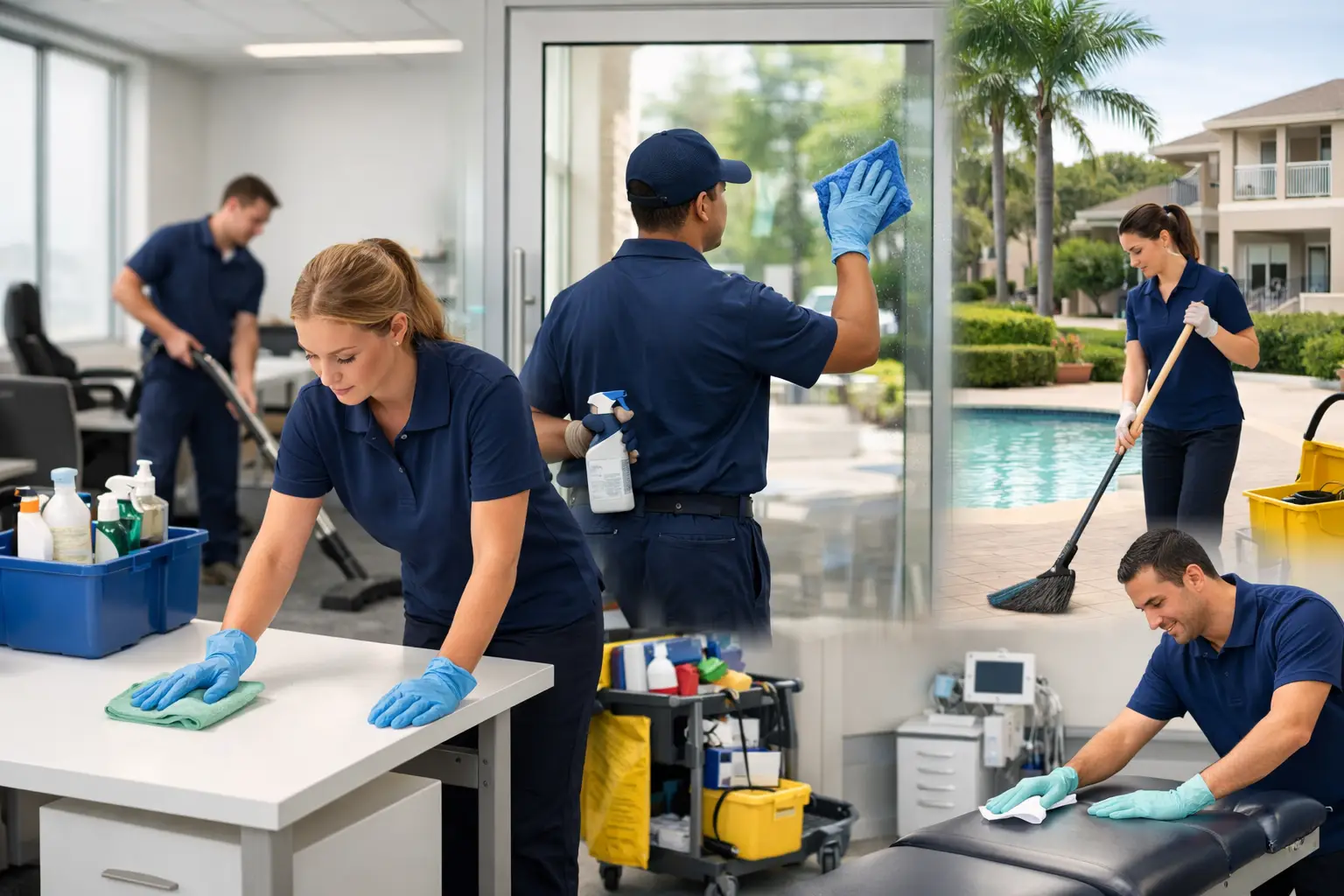
The scope should start with the spaces residents, visitors, tenants, and staff see most often. Common areas frequently set the tone for the entire property, so lobbies, hallways, stairwells, elevators, mail areas, restrooms, and entry doors deserve consistent attention. For HOA communities, the list may also include clubhouses, fitness areas, community rooms, poolside facilities, and other shared amenities.
A dependable cleaning plan can also support vacant units and turnover periods. Move-in and move-out cleaning helps prepare a space for its next occupant, while deep cleaning may be appropriate after a longer vacancy, renovation activity, or heavy use. The exact service should match the condition of the unit and the turnover deadline rather than relying on a one-size-fits-all checklist.
Some properties need more specialized support at certain times. Carpet and floor cleaning can refresh high-traffic surfaces, pressure washing can help improve exterior presentation, and post-construction cleaning can address dust left after repairs or improvement projects. These services work best when they are coordinated with routine cleaning instead of treated as an afterthought.
The Difference Between Routine and Detail Work
Routine cleaning keeps a property orderly week after week. It may include dusting accessible surfaces, cleaning restrooms, removing trash, vacuuming or mopping floors, and wiping high-touch areas. The goal is consistency. Residents and visitors should not have to notice the cleaning schedule for it to be working.
Detail work addresses buildup and presentation issues that routine visits may not fully resolve. Baseboards, corners, interior glass, heavier floor soil, fixtures, and overlooked surfaces often need a deeper level of care on a less frequent basis. Both types of service matter. Routine work protects the daily standard, while periodic detailed cleaning prevents the slow decline that makes a property look neglected.
Build a Cleaning Plan Around the Property
The best schedule is based on traffic, space type, and expectations. A property with a busy leasing office and shared amenities may need frequent common-area service. A smaller residential building may only need recurring attention in key spaces, plus cleaning support around tenant turnover. There is no benefit to paying for an overly broad plan, but cutting service too tightly can leave managers responding to preventable complaints.
Start by identifying which areas are used daily, which areas are used occasionally, and which spaces receive the most scrutiny. Entrance areas, restrooms, elevators, and amenity rooms are often high-priority zones because they are both visible and heavily used. Then consider the calendar. Leasing activity, board meetings, resident events, seasonal weather, and planned maintenance can all affect cleaning needs.
Clear communication matters just as much as the scope. A cleaning partner should understand site access procedures, preferred service windows, building-specific concerns, and who to contact if something needs attention. When expectations are documented early, managers spend less time repeating requests and more time managing the property as a whole.
Questions to Set Expectations Early
Before starting service, it helps to discuss the property in practical terms. Which areas must be addressed during every visit? Which tasks are weekly, monthly, or as needed? Are there event dates, move-out schedules, or maintenance projects that require flexibility? Who approves additional work if conditions change?
It is also useful to define what a completed visit looks like. That can include how trash is handled, whether floors receive vacuuming or mopping, which restroom supplies the property provides, and how issues are reported. Small details create clarity, especially when multiple people are involved in property operations.
Cleaning Support During Turnovers and Busy Periods
Turnover periods can put pressure on every part of a property management operation. Maintenance work, inspections, vendor coordination, and leasing deadlines often happen at once. Cleaning should fit into that sequence, not create another scheduling obstacle.
For a standard vacancy, cleaning may be scheduled after repairs are complete and before final walkthroughs or marketing photos. If the unit needs more than a routine refresh, a deeper cleaning approach may be the better choice. The goal is a space that feels ready for the next resident, with attention to kitchens, bathrooms, floors, fixtures, and the details that are easy to miss when a unit is empty.
Common areas can also need extra attention during high-activity periods. Rain can track debris into entryways. Resident events can leave community rooms and restrooms in need of prompt service. Construction or repairs can create dust that travels beyond the immediate work area. A flexible cleaning plan gives property teams a reliable way to respond without losing sight of regular duties.
Choosing a Cleaning Partner for Managed Properties
A good fit is about more than a task list. Property managers need a team that communicates clearly, respects access procedures, arrives prepared for the scheduled scope, and understands that the condition of shared spaces reflects on the management team.
Look for a provider that is willing to learn the layout and priorities of the property. A generic approach may be enough for a small, simple space, but larger communities and mixed-use facilities benefit from a customized plan. That could mean recurring common-area cleaning, scheduled clubhouse service, move-out cleaning when units turn, or periodic floor and exterior cleaning as conditions require.
Responsiveness is especially valuable when schedules shift. Property management rarely operates on a perfectly predictable calendar. A provider that can communicate clearly about service needs helps avoid confusion when an event is added, a unit becomes available, or a shared facility needs added attention.
For San Diego County property teams, Call The Helper LLC can tailor cleaning support around recurring common areas, managed community spaces, offices, and turnover needs. The focus should always be practical: a clean, presentable property and a service plan that makes daily operations easier to manage.
A Cleaner Property Is Easier to Manage
The most effective cleaning service is often the one that prevents a manager from having to think about cleaning all day. Shared spaces stay presentable, vacant units are addressed with a clear plan, and recurring work happens on a schedule that matches the property.
When the details are handled consistently, managers can give more attention to residents, maintenance priorities, leasing activity, and the many responsibilities that cannot wait. Let the cleaning plan carry its share of the workload, so the property is ready when people walk through the door.


Comments are closed