




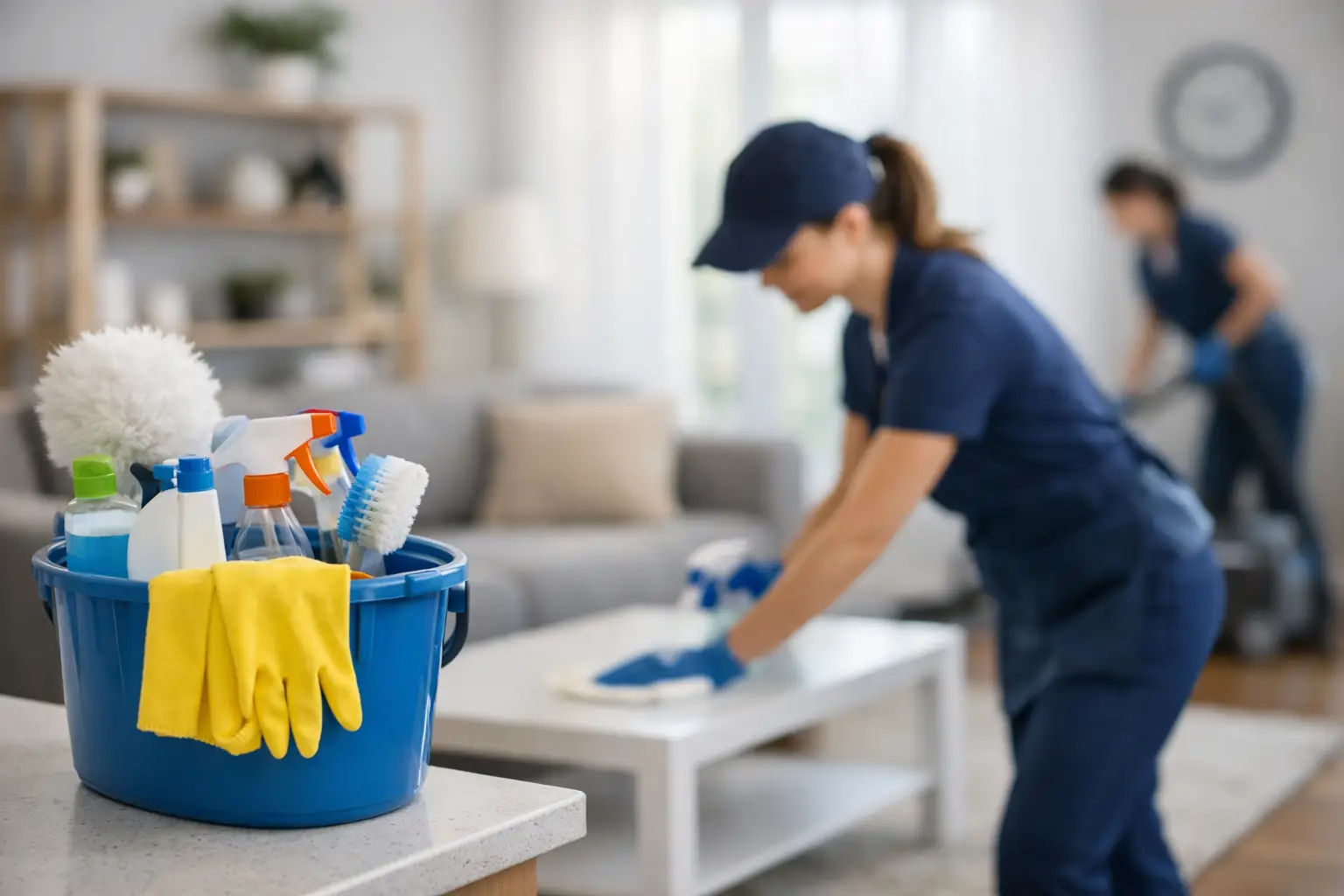
The kitchen counter is clear on Monday, but by Thursday it has become the place where mail, water bottles, school papers, and daily life collect. That is exactly where recurring house cleaning makes a difference. Instead of waiting until the entire home feels overdue, you set a dependable rhythm that keeps essential spaces clean, comfortable, and easier to manage.
For busy households, the value is not simply a freshly cleaned floor or a polished bathroom. It is the relief of knowing the work will not keep building in the background. A recurring plan turns cleaning from a major weekend project into a regular part of how your home is cared for.
What Recurring House Cleaning Changes
A one-time cleaning can restore a home after a busy season, a move, a renovation, or a period when regular upkeep fell behind. Recurring service is different. It is designed to maintain the results through consistent attention to the rooms and surfaces that see the most use.
That consistency can make everyday routines easier. You may be more comfortable inviting friends over without a last-minute rush. Mornings can feel less hectic when bathrooms and kitchen surfaces are already in order. For households balancing work, children, pets, caregiving, or frequent travel, regular cleaning creates breathing room where it is needed most.
It also helps homeowners see their home as a whole rather than as a growing list of chores. Dust, kitchen residue, bathroom buildup, and floor debris are handled on a schedule, so they are less likely to turn into a larger cleaning task. The goal is a home that feels cared for week after week, not just immediately after a major reset.
Choosing the Right Recurring House Cleaning Schedule
The best schedule depends on how your household actually uses its space. There is no single frequency that works for every home, and a plan that is too frequent or too limited can feel like a poor fit. Start with the rooms that create the most work between visits and build from there.
Weekly service for high-traffic homes
Weekly cleaning often suits active households where kitchens, bathrooms, entryways, and living areas get heavy use. Families with children, multiple pets, or a steady flow of visitors may find that a weekly schedule keeps the home from reaching the point where cleaning feels urgent.
This option can also work well for people who prefer a consistently polished home but do not have time to keep up with detailed maintenance themselves. The focus is usually on the areas that affect daily comfort most: bathrooms, kitchen surfaces, floors, dusting, and the visible details that shape how a room feels.
Every-other-week service for steady maintenance
Biweekly cleaning is a practical choice for many households. It provides a regular reset while leaving enough time for residents to handle small tasks such as dishes, quick wipe-downs, and light tidying between appointments.
This schedule is often a good middle ground for homes with moderate activity. If your home stays reasonably orderly but bathrooms and floors need more attention than your calendar allows, every-other-week service can keep the workload manageable.
Monthly service for lighter-use homes
Monthly cleaning may fit smaller households, second homes, or homes where residents already handle much of the weekly upkeep. It can provide a more thorough maintenance visit without committing to a frequent schedule.
The trade-off is simple: the longer the interval between cleanings, the more day-to-day upkeep falls to the household. If dust, pet hair, bathroom buildup, or kitchen mess tends to accumulate quickly, a monthly plan may not provide the consistency you want.
Build a Cleaning Plan Around Real Life
A recurring plan should reflect your household, not a generic checklist. Two homes with the same number of bedrooms can require very different cleaning priorities. One may need extra attention in the kitchen after family dinners, while another needs regular care for pet hair on floors and upholstery-adjacent areas. A home office may need dusting and floor care, while an unused guest room may need only occasional attention.
Before scheduling service, consider which spaces have the greatest impact on your day. For most households, the kitchen, bathrooms, living areas, bedrooms, and entryway are the starting point. Then think about the details that tend to get missed when you clean on your own, such as baseboards, reachable light fixtures, cabinet fronts, doors, and the areas around sinks and toilets.
Clear communication makes customization easier. Let the cleaning team know if there are rooms that should be skipped, delicate surfaces that need specific care, pets in the home, access preferences, or times when the home is busiest. The more clearly the plan reflects your priorities, the more useful each visit will be.
For San Diego County households, flexibility can matter just as much as the task list. A household in a downtown condo may need a different approach than a family home in Chula Vista, a coastal property in La Jolla, or a residence with high-use indoor-outdoor living spaces. A cleaning plan should account for the home you have and the way you live in it.
Start With a Deep Clean When Needed
Recurring service works best when the home has a solid baseline. If it has been several months since the last detailed cleaning, or if there is visible buildup in bathrooms, kitchens, and floors, beginning with a deep cleaning may be the right choice.
A deep clean gives more attention to areas that are not always part of a standard maintenance visit. It can help address accumulated dust, residue, and overlooked surfaces before the recurring schedule begins. From there, regular appointments are focused on maintaining the home rather than trying to catch up each time.
This is not necessary for every home. If you have kept up with routine cleaning and mainly need help staying consistent, recurring service can begin with a maintenance-focused visit. The right starting point depends on the current condition of the space and the result you want to maintain.
Make Each Visit More Effective
You do not need to clean before a cleaning appointment, but basic tidying helps the team focus their time on actual cleaning. Putting away clothing, papers, toys, and personal items means more attention can go to floors, surfaces, bathrooms, and other planned areas.
It is also helpful to establish a simple routine for access and communication. Confirm how the team should enter the home, where pets will be during service, and how to share changes to the schedule or priorities. If a particular room needs extra attention before an upcoming gathering or a household member will be working from home, mention it in advance.
A dependable cleaning relationship is built on those small details. Call The Helper LLC works with homeowners to create customized residential cleaning plans that support the routine they want, whether that means weekly, biweekly, or monthly care.
Know When Your Schedule Needs an Adjustment
Your cleaning needs can change without much warning. A new pet, a growing family, remote work, a houseguest staying for an extended period, or a change in work hours can all shift how quickly a home gets used. A schedule that worked well six months ago may no longer feel sufficient.
Pay attention to what happens in the days before each appointment. If bathrooms, floors, or kitchen surfaces consistently feel overdue, moving to a more frequent schedule may be worthwhile. If rooms are staying clean and some spaces receive little use, it may make sense to adjust the scope rather than continue cleaning areas that do not need regular attention.
Recurring house cleaning should reduce pressure, not create another obligation to manage. The best plan is one that fits naturally into your life, keeps the spaces you rely on in good condition, and gives you more time to enjoy being home.


Comments are closed