



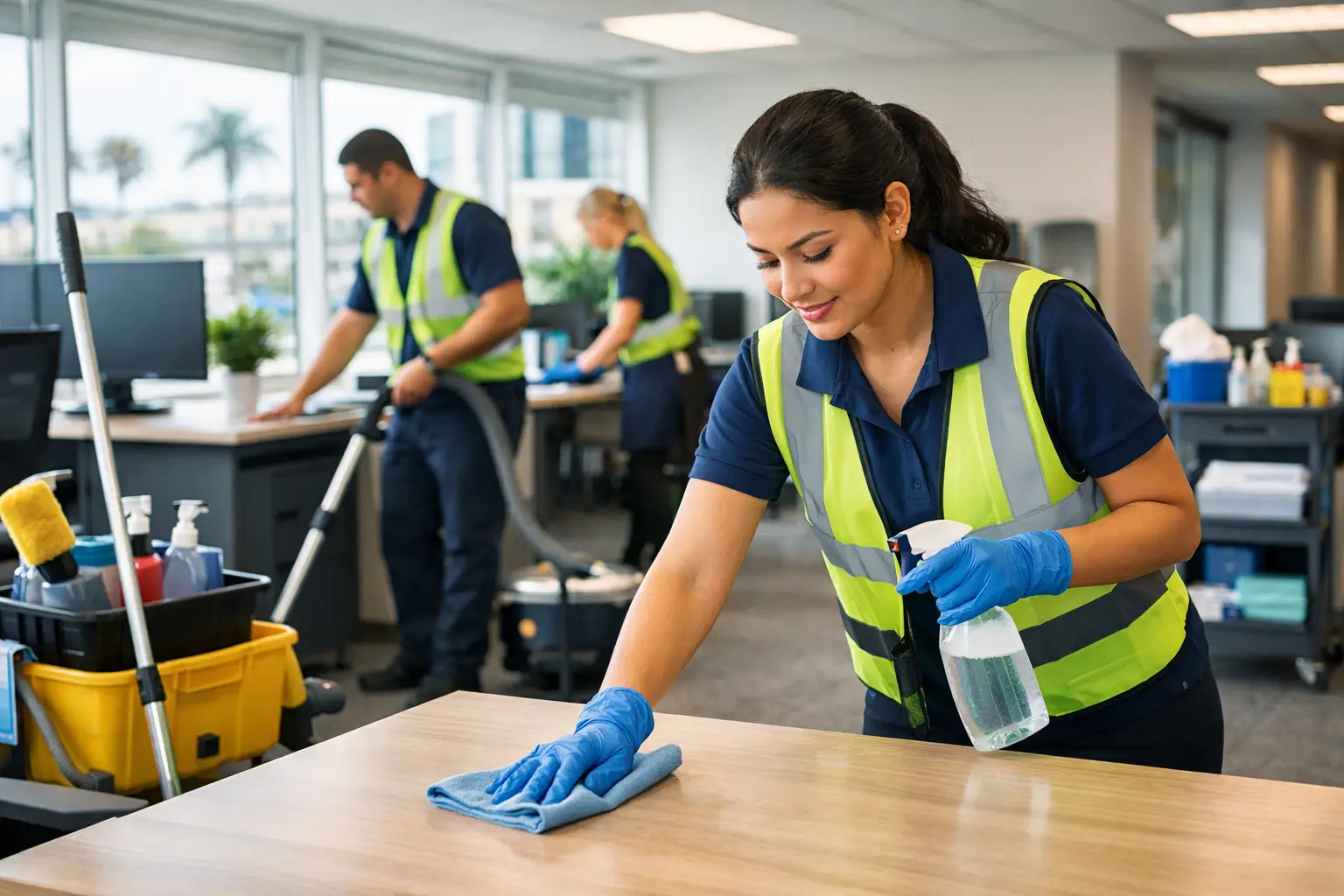
A clean office is noticed long before anyone comments on it. Employees settle in more easily, clients walk into a space that feels organized, and facility issues are less likely to turn into distractions. The right office cleaning services San Diego businesses choose should support that experience without interrupting the workday.
For office managers, business owners, and property managers, the goal is not simply to have surfaces wiped down. It is to create a dependable routine that keeps shared spaces presentable, restrooms cared for, and high-traffic areas from looking worn out by midweek. That takes a cleaning plan built around how the office actually operates.
What a Reliable Office Cleaning Plan Should Cover
Every workplace has a different rhythm. A small professional office with mostly desk-based work has different needs than a busy medical-adjacent administrative suite, sales office, coworking area, or property management headquarters. Foot traffic, visitor volume, flooring, kitchen use, and the number of restrooms all affect the right schedule and scope.
A practical office cleaning plan commonly focuses on the areas people see and use most: entryways, reception areas, workstations, break rooms, restrooms, hallways, and shared meeting spaces. The details matter. Trash should not pile up before pickup day. Floors should not carry in the dust and debris of a busy week. Break room counters and tables need regular attention so employees can comfortably use the space throughout the day.
The most effective plans also clarify what is included at each visit. Regular service may handle routine wiping, vacuuming, mopping, trash removal, and restroom cleaning, while periodic deep cleaning can address overlooked buildup, detailed floor care, or areas behind and beneath furniture. Separating those needs helps prevent a recurring service from becoming overloaded with occasional, time-intensive tasks.
Choosing the Right Frequency for Your Office
There is no single cleaning schedule that works for every San Diego workplace. A low-traffic office with a small team may be well served by weekly cleaning. A larger office, client-facing business, or space with active shared kitchens and restrooms may need service several times a week or daily.
The decision usually comes down to three questions: How many people use the space? How often do clients or vendors visit? Which rooms show wear first? If the lobby, restrooms, and break room need attention before the week is over, a weekly visit may not be enough. If most employees work remotely and the office is lightly used, a more focused schedule can keep the space in good shape without unnecessary service.
Look Beyond the Square Footage
Square footage is useful, but it does not tell the whole story. A compact office with frequent visitors can require more attention than a much larger space with limited daily use. The number of restrooms, the condition of entry flooring, and whether food is prepared or eaten on-site often matter more than the size of a private office.
Property and facility managers should also consider common areas. Shared corridors, elevators, lobbies, community rooms, and restrooms can shape a tenant or visitor’s impression of the entire property. Consistent cleaning in these areas supports the standard residents, employees, and guests expect.
The Details Employees and Visitors Notice First
People may not inspect every corner of an office, but they notice the signals that tell them whether a space is cared for. Fingerprints on glass doors, overflowing wastebaskets, streaked mirrors, unpleasant restroom conditions, and crumbs in a conference room can all undermine an otherwise professional environment.
Reception areas deserve particular attention because they set the tone for visitors. Clean floors, orderly seating, fresh-smelling restrooms, and a tidy front desk area communicate care before a meeting begins. The same is true for conference rooms. When clients enter a room with clean tables, clear floors, and emptied trash bins, the focus stays on the conversation rather than the condition of the space.
Break rooms can be equally important for employees. They are high-use spaces where spills, food debris, and full trash containers quickly become visible. A regular cleaning routine helps keep these shared areas more comfortable and easier for everyone to maintain between service visits.
Why Communication Matters as Much as Cleaning
A cleaning provider should make it easy to communicate changing needs. Office schedules shift. A meeting may be moved, construction work may leave extra dust, a seasonal event may bring more visitors, or a tenant turnover may require added attention in a particular area.
Clear communication helps a cleaning plan stay useful instead of becoming a fixed checklist that no longer matches the space. Before service begins, it helps to identify building access procedures, preferred cleaning windows, sensitive areas, supply expectations, and the person to contact when needs change. These practical details reduce confusion and make the service more consistent.
For many offices, after-hours cleaning is the best fit because it limits disruption. For others, daytime service is preferred for common areas or immediate upkeep. Neither approach is automatically better. The right choice depends on employee schedules, security procedures, noise sensitivity, and how the facility is used.
When Routine Cleaning Needs Extra Support
Recurring janitorial service keeps an office on track, but some situations call for a separate, more detailed visit. Move-ins, office rearrangements, construction projects, tenant changes, and special events can leave behind dust, debris, or cleaning needs that fall outside a normal routine.
Floor and carpet cleaning can also be useful when high-traffic areas begin to look dull or stained despite regular vacuuming and mopping. The timing depends on the type of flooring, weather, foot traffic, and whether clients regularly enter through the same doors. A thoughtful plan accounts for these occasional needs rather than waiting until the office looks neglected.
This is especially relevant in properties with shared facilities. Clubhouses, community rooms, leasing areas, and common spaces often experience uneven use. A room may look fine for weeks, then need prompt attention after a busy event or meeting. Flexible service coordination helps property managers respond without losing the standard of the space.
Questions to Ask Before Hiring Office Cleaning Services in San Diego
The best conversations start with the day-to-day reality of your office, not a generic package. Ask how the provider will tailor the scope to your building, what tasks are handled during regular visits, and how requests outside the normal routine are communicated.
It is also helpful to discuss scheduling early. Confirm when cleaning can take place, how access will be handled, and whether the team can work around meetings, tenant activity, or building rules. If your office has areas that require special attention, such as a customer-facing lobby or a heavily used kitchenette, make those priorities clear from the beginning.
Finally, look for a provider that treats consistency as part of the service. The goal is not a one-time improvement followed by uneven results. It is a workplace that feels cared for on an ordinary Tuesday afternoon, just as much as it does before an important visitor arrives.
A Cleaning Plan That Works With Your Workplace
Office cleaning should make your job easier, not give you another vendor relationship to manage closely. A customized plan can account for your layout, traffic patterns, work hours, and the spaces that need the most attention. Whether your office is in San Diego, Chula Vista, La Mesa, or another nearby community, local needs can be addressed with a schedule built around the way your team works.
Call The Helper LLC works with businesses and property managers seeking professional cleaning support for offices, facilities, and shared spaces. Start with the condition and use of your workplace, then build a service routine that keeps the details handled.
A well-kept office does more than look clean at the end of the day. It gives employees and visitors one less thing to worry about, leaving more room for the work that matters.


Comments are closed